As part of the previous few weeks seminars, we were invited to investigate some exhibitions and proffer our thoughts on how work is presented, the methods and styles, and then see if any of this applied to our own work that we would display in the Interim Exhibition at Christmas and then the Degree Show at the end of the academic year in June 2027.
Euripides had shown us examples of what he considered to be good or otherwise, salon hang work, standard gallery hang or even some more “off the wall” presentation methods. he suggested that we go out and look at a couple of exhibitions and then also research some historical shows.
This year I have visited a number of exhibitions, some of which I wrote about in my blog/journal, if there are some links the text will be underlined.
- National Gallery – January 2026
- Blondie by Martyn Goddard – National Theatre
- Level 5 Show – Mander Centre – January 2026
- Wes Anderson Archives – Design Museum – February 2026
- Black Country Type – Manchester Modernist – April 2026
- Walsall Art Gallery – April 2026
- Shopshire Civic Building Exhibtiion – SM&AG -May 2026
- Wildlife Photographer of The Year 2026 – SM&AG – May 2026
- Glasgow Museum, Hunterian Museum, Kelvingrove Museum – May 2026
- National Museum Of Scotland – Edinburgh – May 2026 Natural History
- The Degree Show, Wolverhampton University, June 2026
- Anish Kapoor – Hayward Gallery – July 2026
- Tate Modern – July 2026
- M.C. Escher – Somerset House – July 2026
- Japanese Women Photographers – The Photographers Gallery – July 2026
- MoMA San Francisco – July 2026
- Marcel Duchamp – MoMA New York – August 2026
- Jacques Henri Lartigue – MK Gallery – September 2026
Some of the highlights in terms of how works have been presented are as below:
LeWitt @ SFMoMA
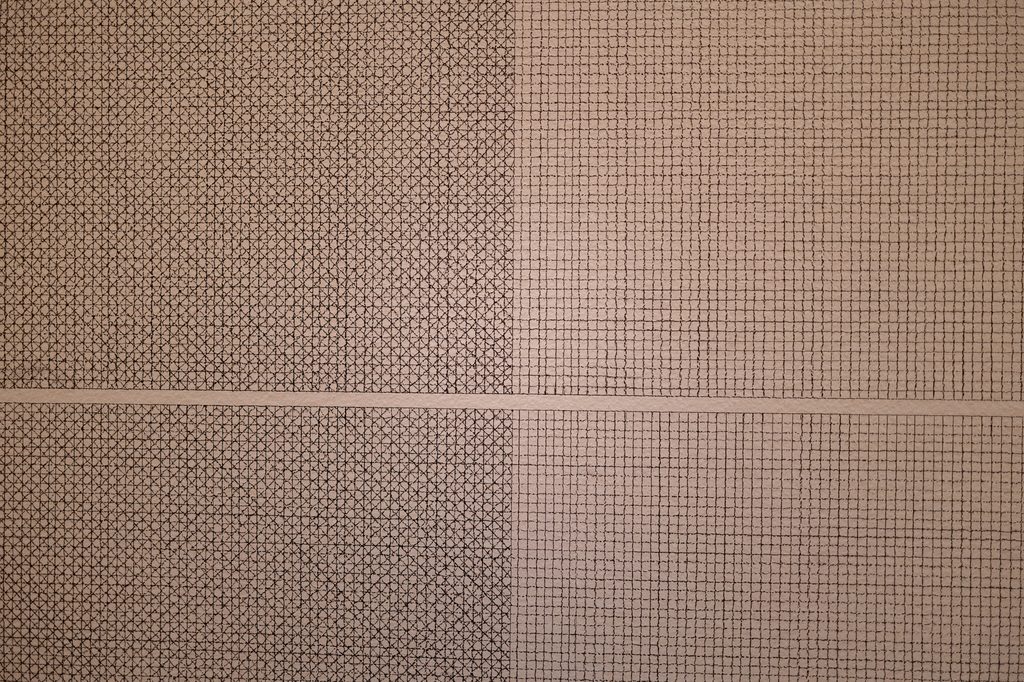
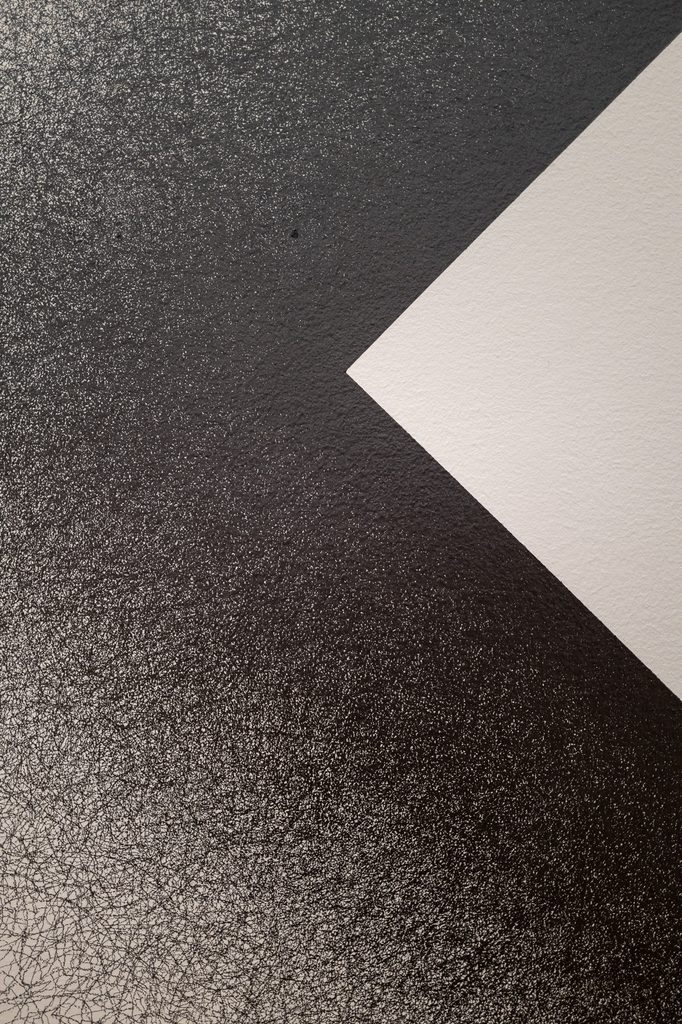
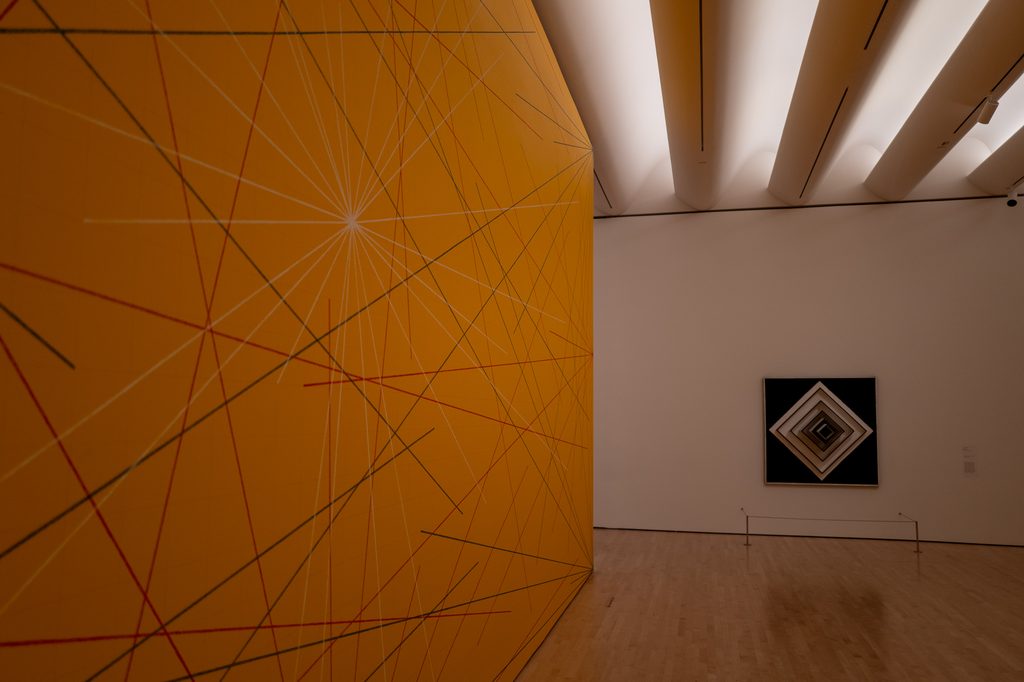
Works in SFMoMA by Sol Lewitt are largely drawn onto the walls using instructions left by the artist. LeWitt doesn’t action the works himself but merely wrote down a set of instructions that allow other artists to follow his “Standard Work” to the letter and produce the work. It is on the wall as LeWitt was. leader of the Conceptual art movement and “an artwork’s concept is more important than its form” The work is flat on the wall, some take the whole wall and some take up a part of the wall. Each is a meticulously planned and executed work of art that will ultimately be replaced by some white emulsion and other works hung ont he wall in its place. It showed me that you can put work directly onto the wall without a frame or another substrate and still be as equally accessible to the viewer. In some cases it is evn more acessible as it is not behind glass, or contained in a frame. There were many other styles of works also, hanging in regular frames, in glass top vitrines and all manner of other methods but this is the one I picked out for this reflection piece.
Wes Anderson @ Design Museum
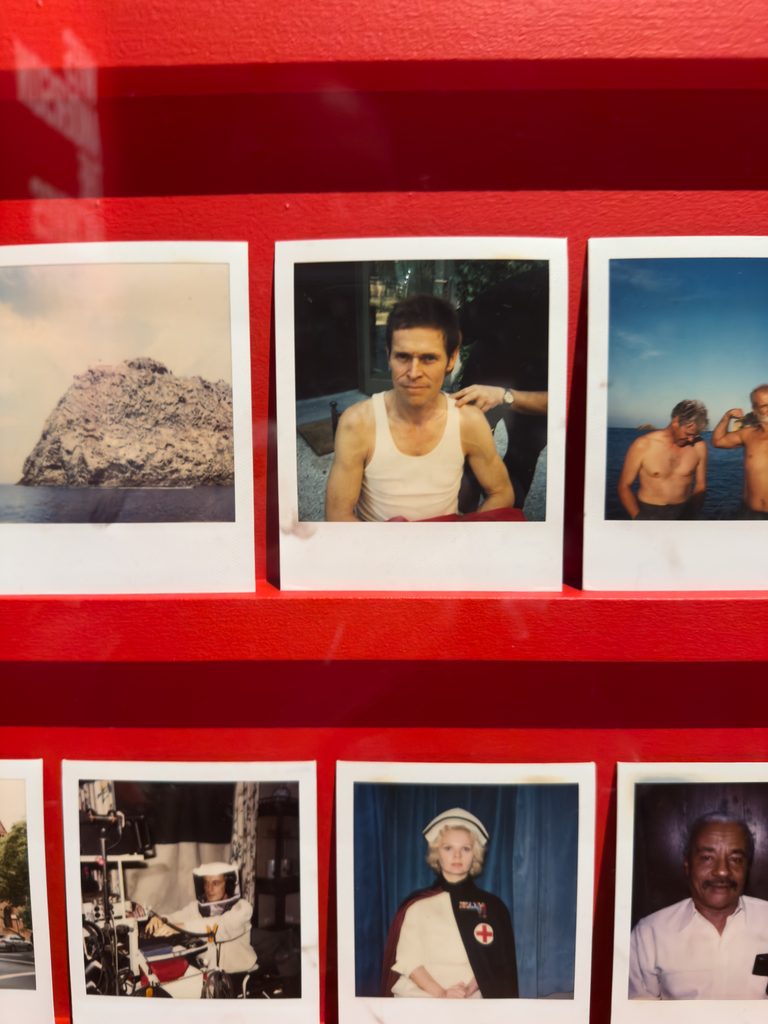
This exhibition was a retrospective of the works of Wes Anderson in whihc we visit each of his movies in chronological order and see the scripts, notebooks, production used costumes, models, scenery backdrops and all manner of other parts that go into making a highly stylised and detail oriented movie. There were a few photographs, mainly behind the scenes showing the actors in make up or costume, probably for continuity purposes and this Polaroid wall, I thought mentioning here. In the red painted wooden case with glass in front to protect we see images of actors and locations in their costumes and rather than being scanned in to make them digital and then reprinted, they are treated here with a reverence for the original contents that they show. Sure they are a byproduct of the movie creation process but they’re very worthwhile seeing. The walls the exhibition were all painted the same shade of red to tie everythign together and give it a cartoonesque Wes Anderson” feel.
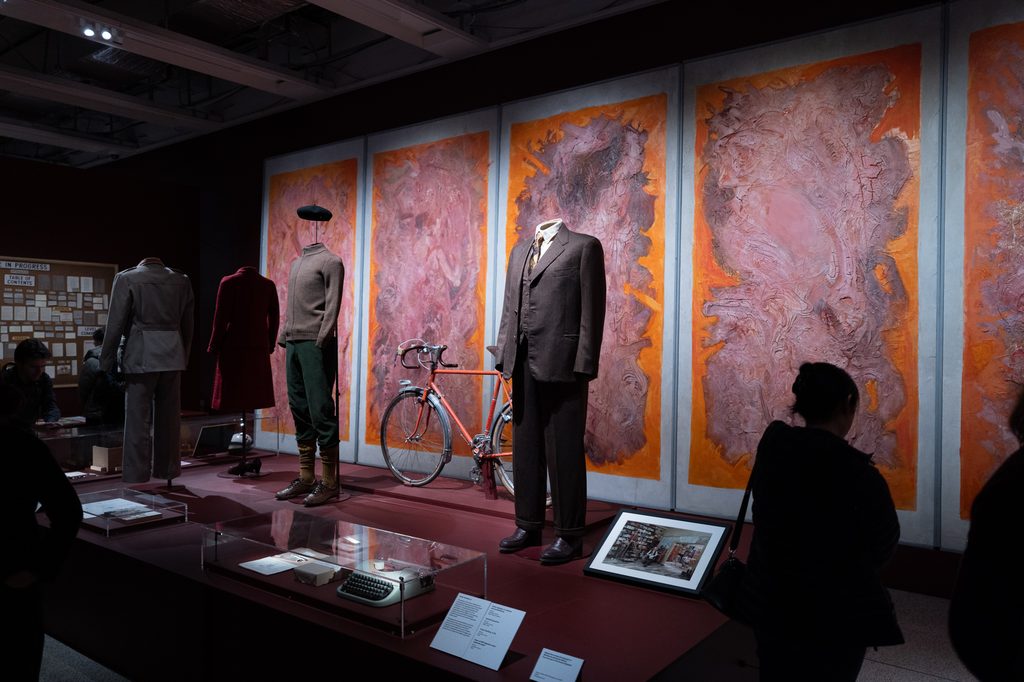
In the second photo you can see that there are giant paintings filling a wall that were backdrops in a hotel scene as well as props from the shoot. There are photographs here too, on the top of the plinth as though it was in a frame on your grannies front room dresser. It shows a still image photograph of the set with the actors in place in The French Dispatch movie. There are works on walls, hanging from the roof, nailed to boards, in glass vitrines, on plinths in the centre of the room, it all feels very accessible. Obviously you’re not allowed to touch the items, but a previous exhibition at the same location, featuring Kubrick’s Retrospective seemed to be restricted further and was stuck to the wall or in a cupboard on the wall. It wasn’t very interactive at all. The costumes of the actors from The Shining were in a glass box stuck against a wall, where the characters clothes are on mannequins within arms reach.
Funny Angles
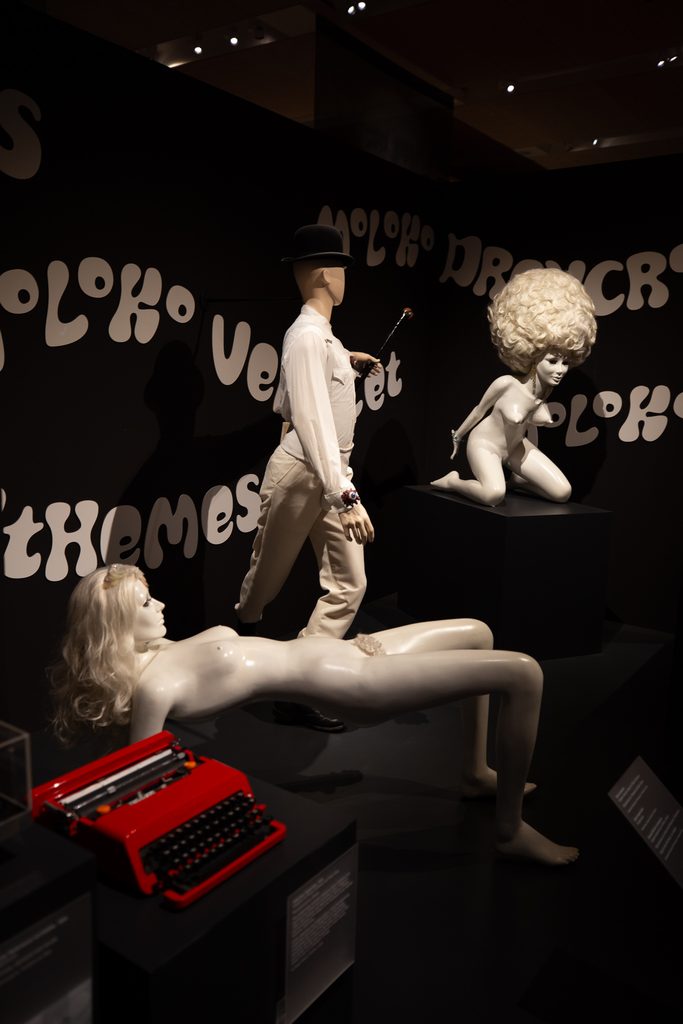
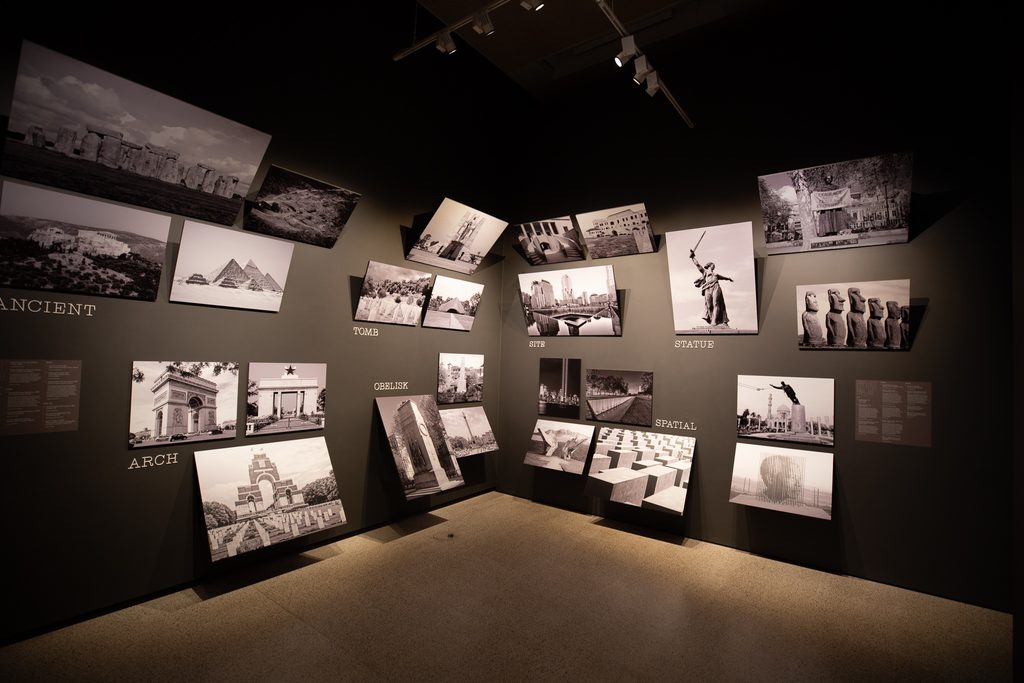
Looking back at the other exhibitions in the Design Museum that I had been to in the past I came across the Kubrick show in 2019 and also an adjoining show by Sir David Adjaye’s Making Memories and one particular room whihc showed works hanging like a salon. It shows the images higher up leaning out further and the images at the foot of the wall leaning to allow the viewer a better perspective of the works. As Euripides said during the lecture the leaning is part of an effort to remove distortion from examining the works when flat on the wall. It is like the trapezoidal adjustments on a digital projector when pointed at an angle from the ceiling.
History Beckons
There are also many examples of historical exhibitions and shows that are available to look back through online, using museum and gallery websites as well as online exhibition catalogues. There are also many exhibition catalogues in the library resources.
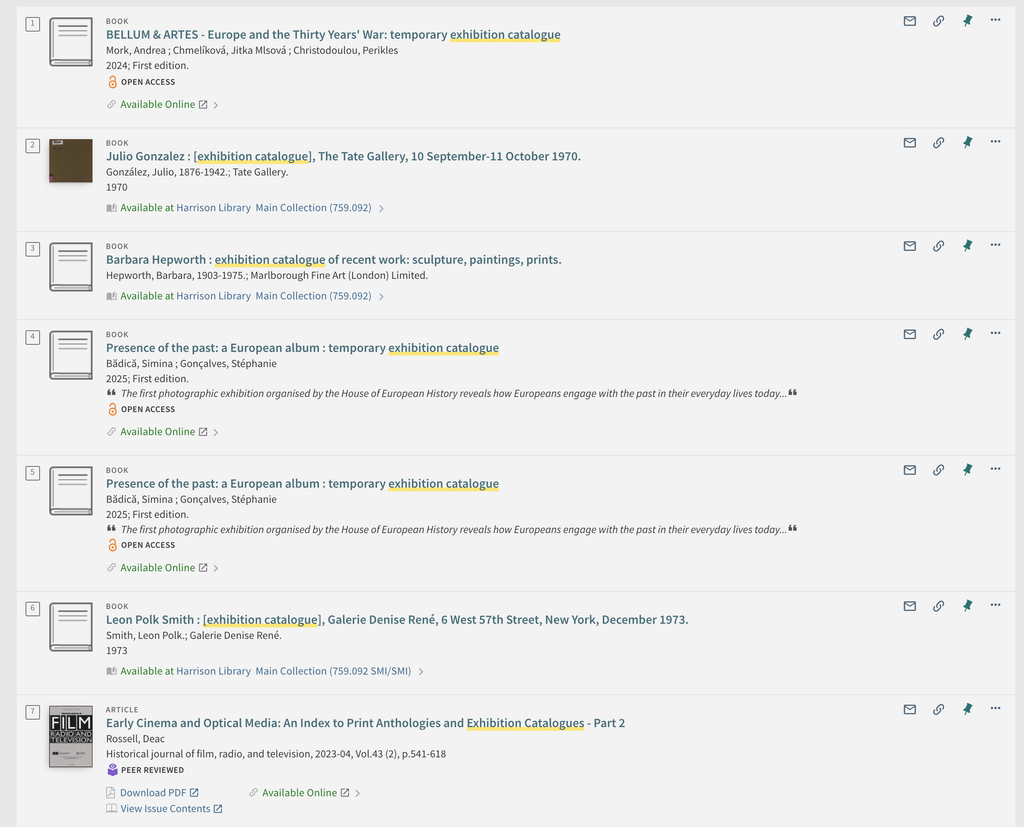
I looked into the library catalogue and though I searched for Exhibition Catalogues it only offered me suggestions of books. I did have a look at a couple but they did not contain information about the exhibition. No installation images or info on the hangings.
I’m going to count the information I’ve looked up using Euripides ‘ notes from the previous lecture which can be found here: https://bobgriffithsphoto.uk/?p=11413
When I spoke to Euripides this week he told me that it was important to pay more attention to the more modern and contemporary exhibitions that are currently floating around. So I will continue to visit a few more exhibitions over the remainder of the year. It’s especially easy as I still have my Student Art Pass which has afforded me some good savings on entry to some of the exhibitions and museums that I have visited this year so far. I’ve done the Art Pass since year one and it’s well worth it.
Be First to Comment