Tuesday 20th October
Into uni before 9 after snagging an early parking space, lesson learned and I checked if it was a match day today, which it is.
Tried to check the PowerPoint slide deck to do some arranging of images but the folder I put the images into on my OneDrive is empty, which is particularly annoying as I was sharing it with Sam so he could show off some Instagram progress of students as we close in on the halfway point of the first semester. I can’t see the images on the online version either, which means I probably shut down my mac at home last night before it had finished syncing the OneDrive. Doh.
Not got much on this morning but have a seminar titled “From Galleries to Global Shows” with Euripides in the lecture theatre this afternoon.
Bookworm
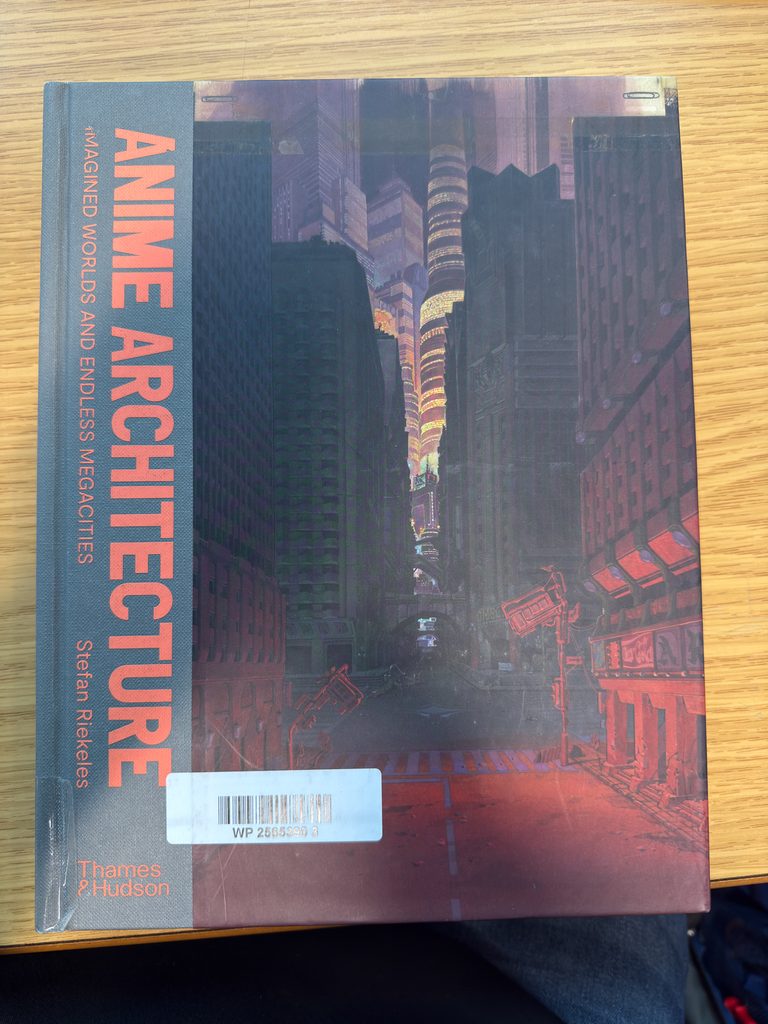
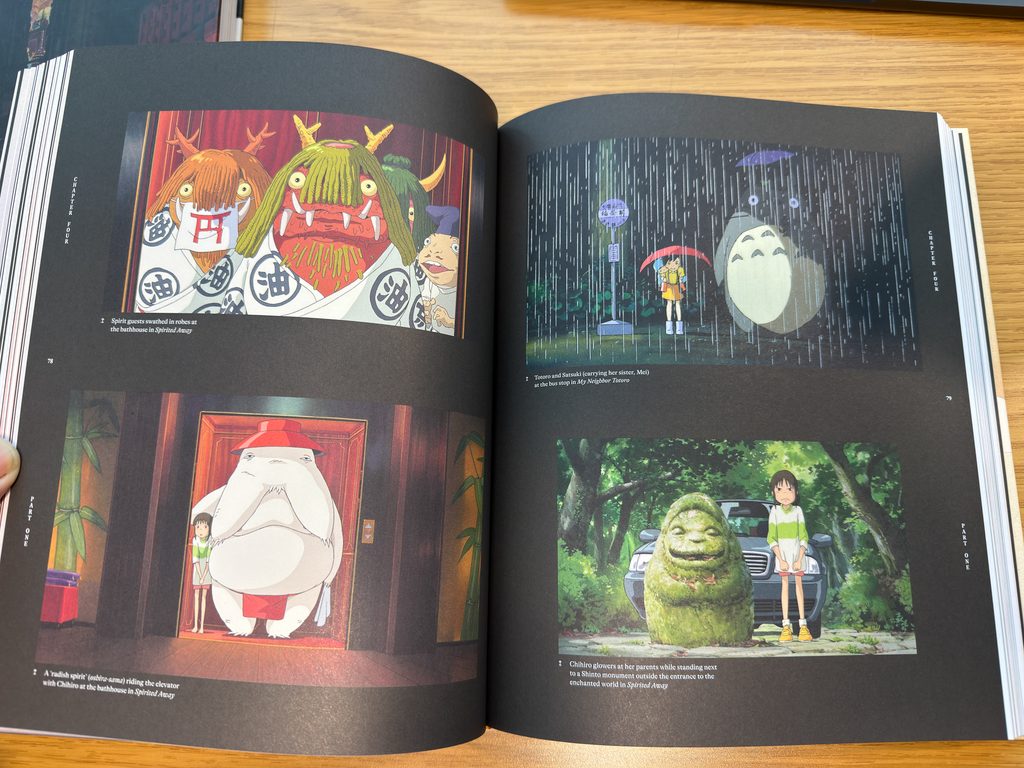
Went to the library and read two books about anime, one about architecture in the anime movies and another about the inspirations behind some of Miyazaki’s work in the Ghibli studios.
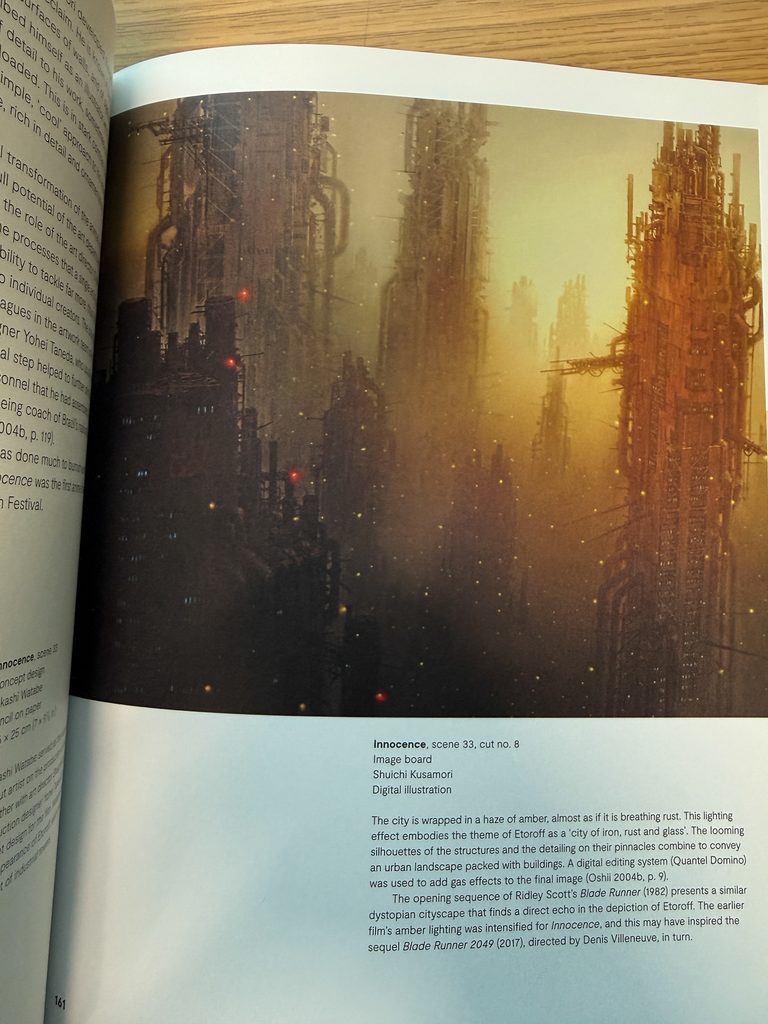
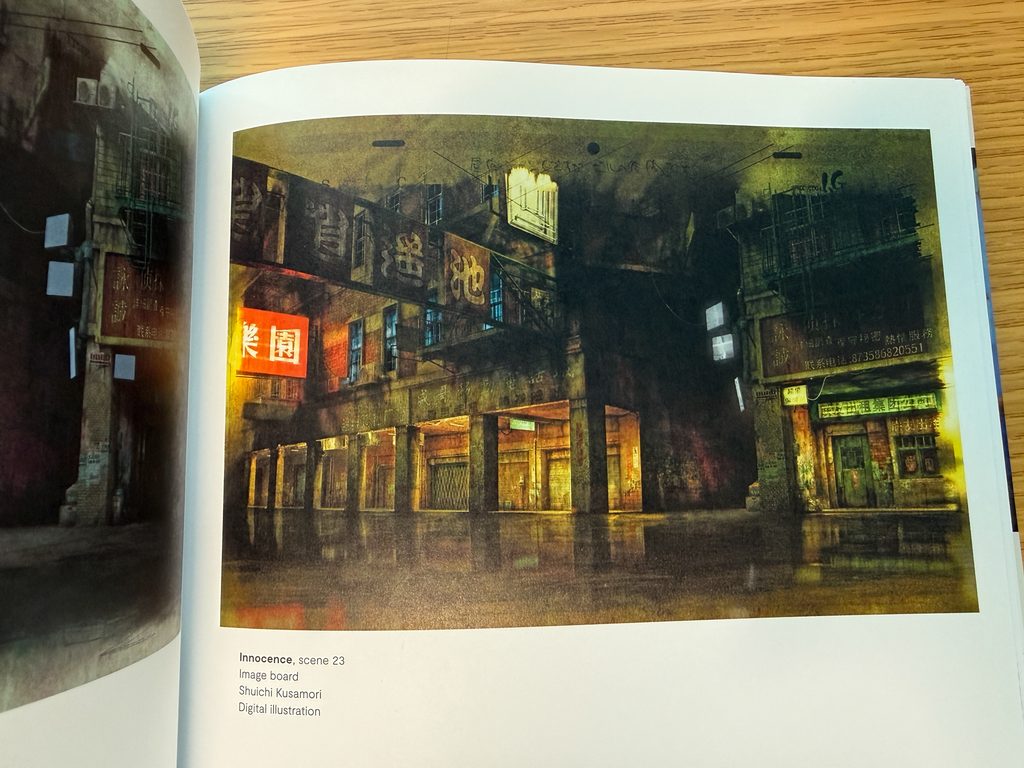
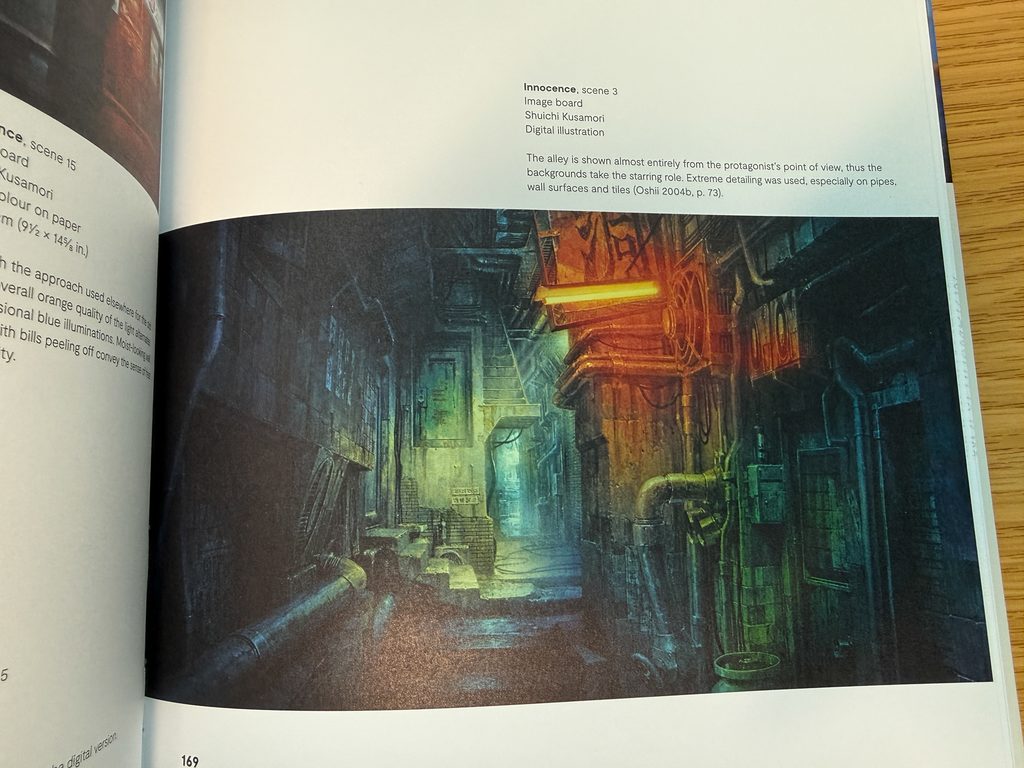
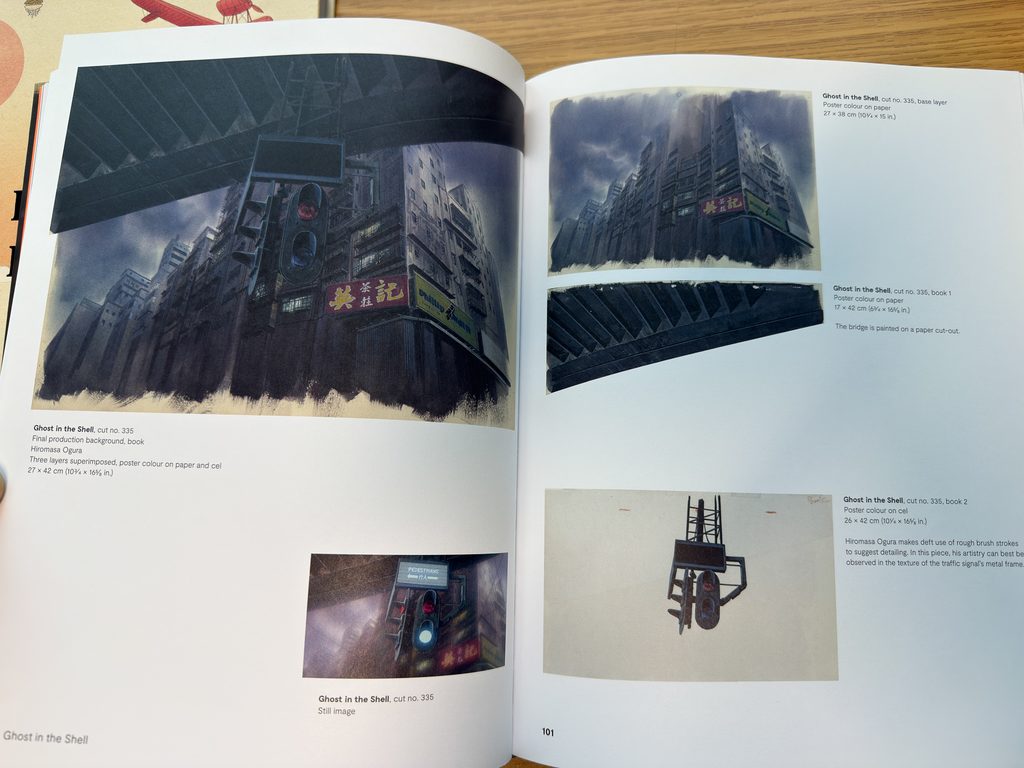
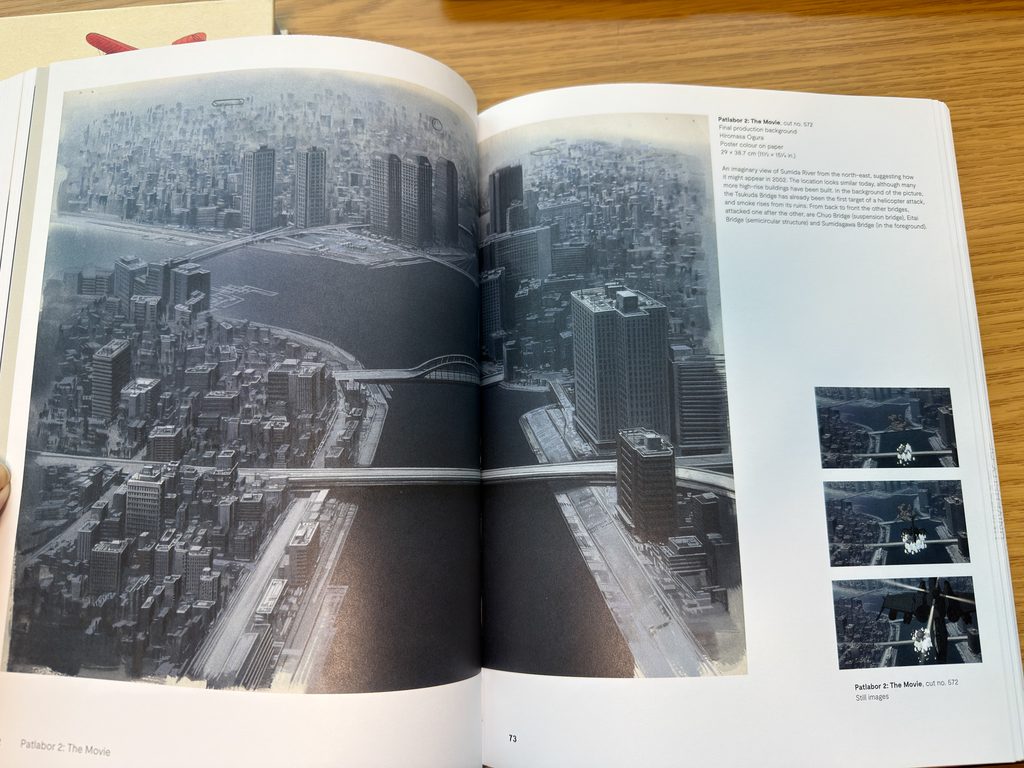
The first is Anime Architecture which studies the hand inked and painted backgrounds of some of the most well known animated movies. Stefan Riekeles has spent a long time working with animation houses and movie companies to scan in the original works of art to preserve for the future this now almost completely lost skill. He starts off by saying that this book disregards digital art and only celebrates pen and paper work. Movies like Akira, Ghost in The Shell, Patlabor, and Innocence feature in the book with some analysis of the designs, what they were inspired by and how they were developed into a final artwork and then used in the movie. It was interesting to see how the backgrounds are made in a grand scale and then sometimes different scenes use different parts of the same background. Some of the designs are beautiful and so cinematic, they could be a part of a Blade Runner movie. The angles of the verticals were also interesting too with many of the verticals being absolutely perpendicular and it gives me some ideas about how my architectural photos should look.
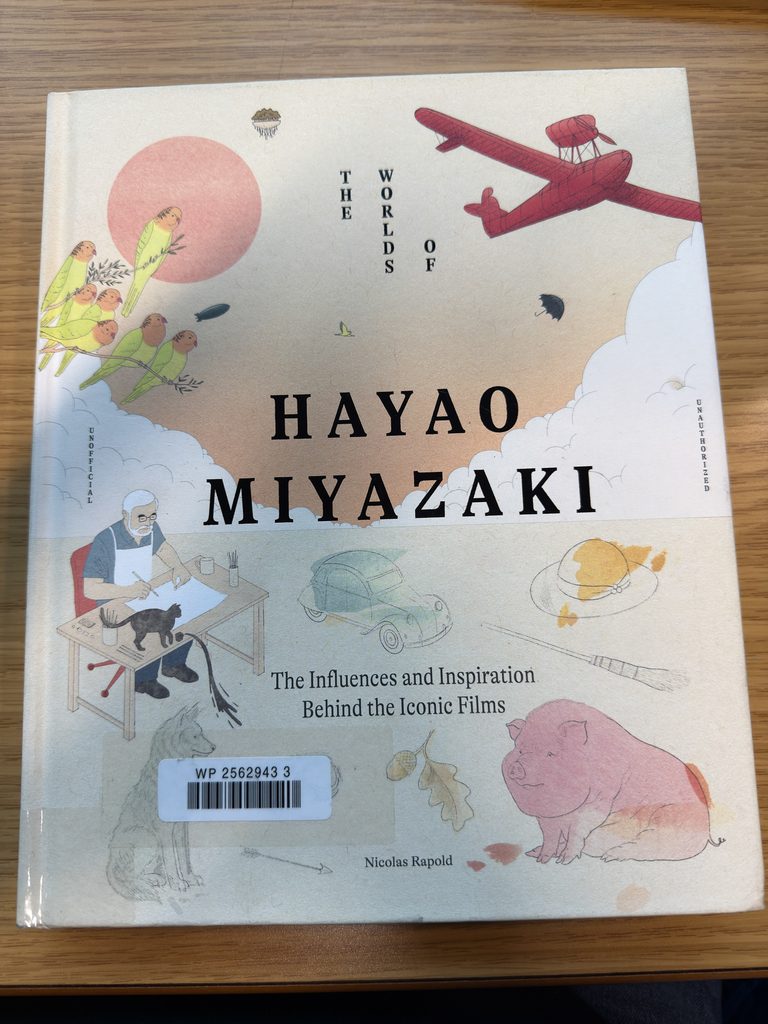
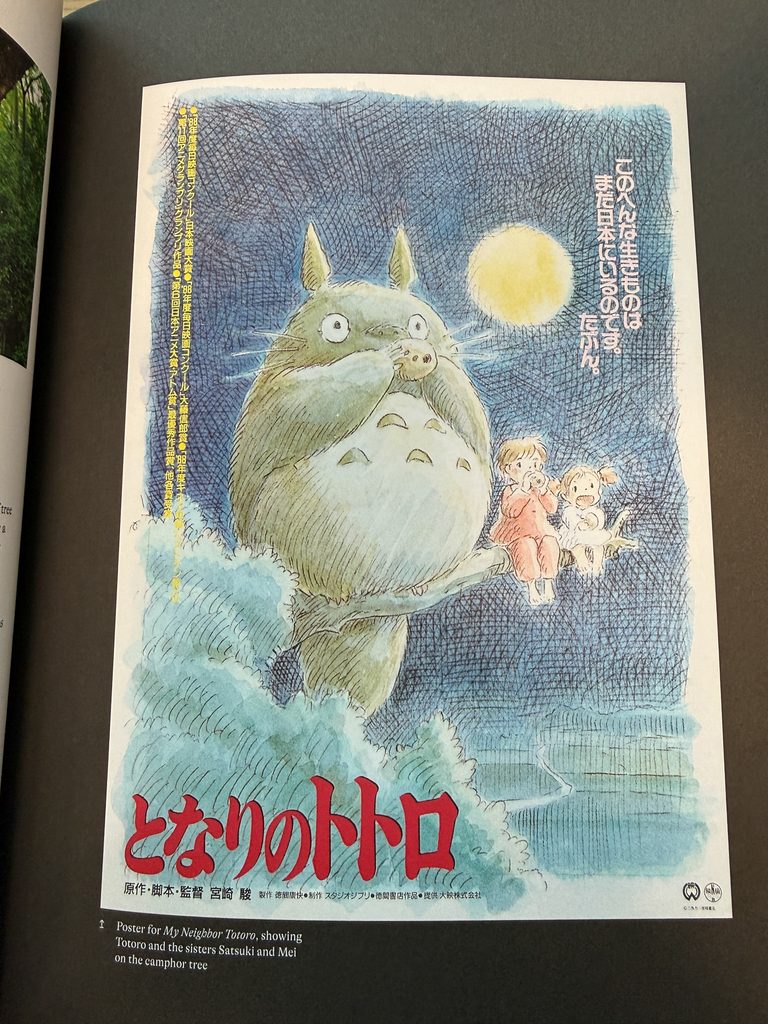
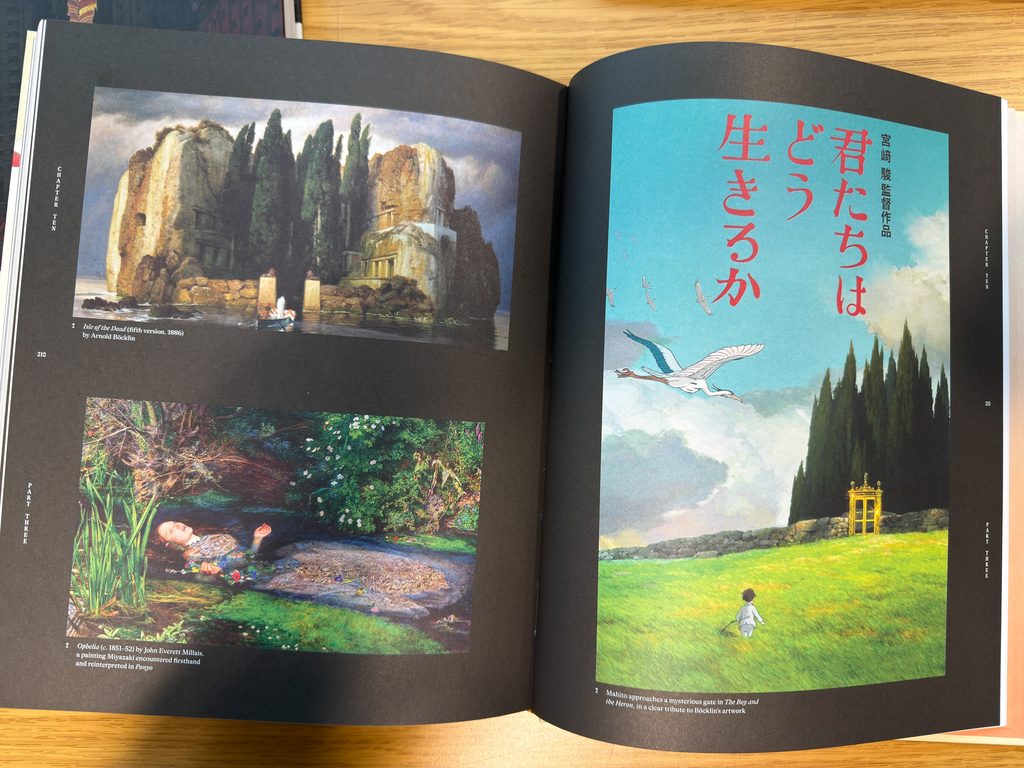
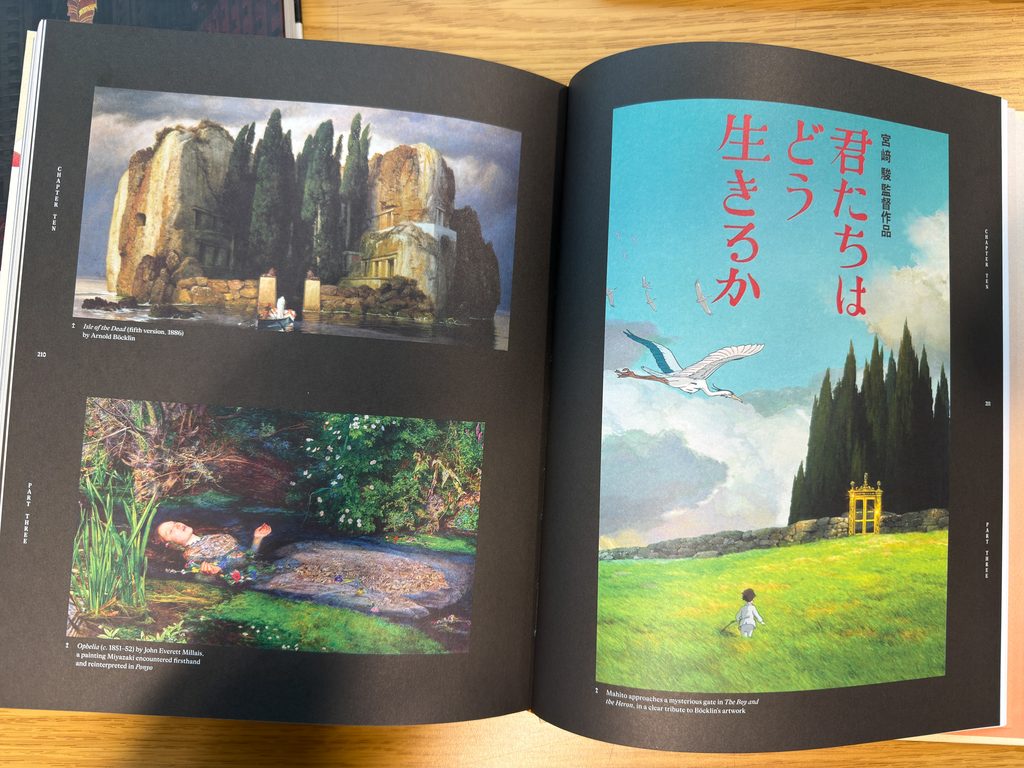
The second book I had picked up was The Worlds Of Hayao Miyazaki of Ghibli Studios fame. This book also shows the inspirations that guided the artist and his team in the developing of the films loved by generations of people throughout the world. It goes into the books, movies, events, places and people that have all inspired some of the locations, characters and plots of the stories. There are pages of references to Alice iN Wonderland, The Wizard Of Oz, Seven Samurai, The Little Mermaid, Charlie Chaplin and many other historical and more contemporary sources. Again there are some wonderful screenshots of movies that adults and children are awestruck by. The inspirations for the author and screenwriter are multiple and so varied I am really surprised. The artworks, stories and the music that make up the animated movies are sometimes so weird it can be confusing but the emotions and morales that they promote are wonderful. Some of the photographs that the researchers use to create the artworks are awesome too and gives me ideas of how to make photographs
Lecture Time
Euripides tells us he’s not available from 30th October to 16th November
So in week 6 we’ll have a guest speaker Matt Peers
In Week 7, we’ll see a Live brief launch – Patrick Vernon Commission to create a mural on the inside of the library windows to celebrate Patrick Vernon’s contribution to equality and society.
During week 8 we should be out and about to look at some exhibitions, big list of exhibitions and venues so we can go out and look at how work is presented , the notes should be added to our journals and contain reflections on how it directs your chosen idea.
Then in Week 9 we go for a Monday Review again when the work for the Interim Exhibition and then this should be uploaded onto the Portal 6FP012. We need to book Jim for the printing session ahead of this week.
From Galleries to Global Events
Salons used to guide the nation in the direction of what artists should be producing, what is acceptable and what will get on the wall and what will not.
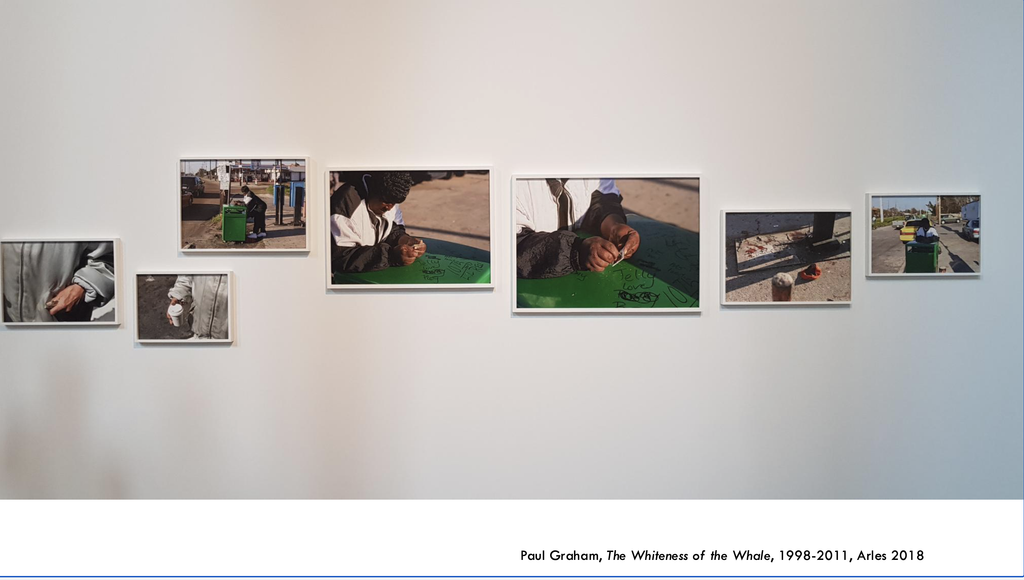
Paul Graham – The Whiteness Of The Whale
Almost like a cinematographer undoing the scene, it’s a bigger story.
In a salon, a story might be from multiple artists, but Graham tells the whole story with many images.
Narrative Displacement – (Don’t google it as it doesn’t exist, this is a term Euripides has created.)
- Fragmentation
- Play with linearity/Non-Linearity
- Sequential
- Repetition
- Overlap – normally pick the best image
Meaning as Dialogue (Meaning in the audience head, steer the viewer in the right way)
Some of Graham’s work showing pictures of person walking with coffee and then rolling a smoke whilst leaning on a bin. Shows a sequence , not necessarily in order, some of the images are slightly overlapping too which helps tell a story to the user.
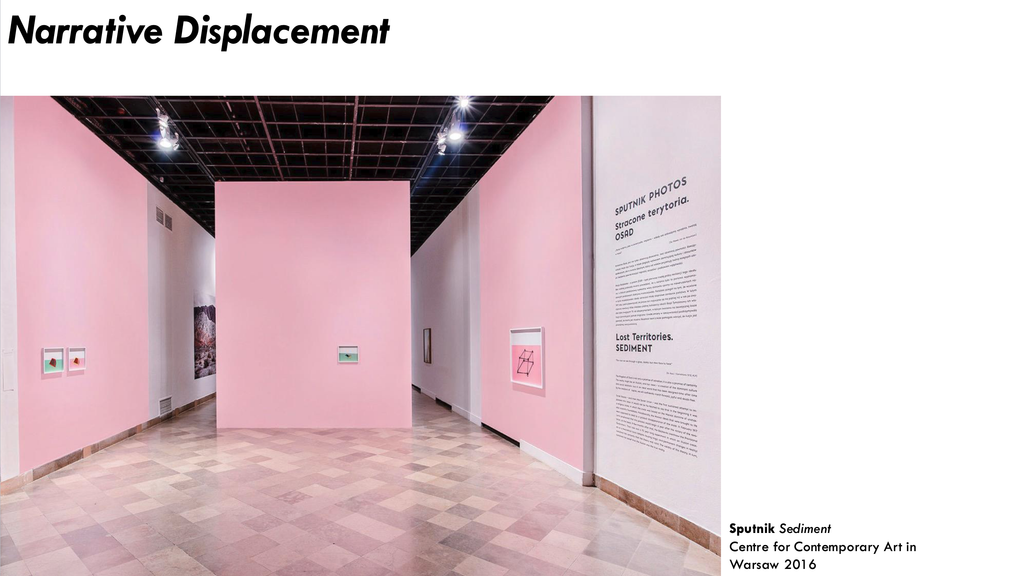
Sputnik Collective exhibition Sediment at the Centre for Contemporary Art in Warsaw 2016
They sacrificed wall space, to make the work stand out. A large pink wall greets viewers entering the exhibition and acts like a separate room, with lots of empty space and smaller images. It really makes the work stand out and is the complete opposite of the historical Salons.
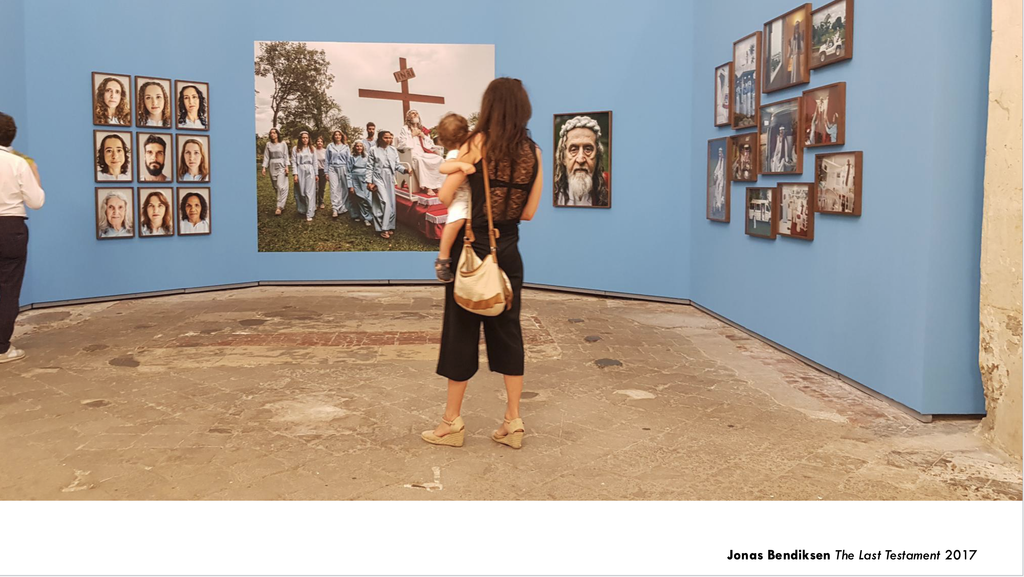
Jonas Bendiksen, the Last Testament, messy on a blue wall at the photo festival in south of France. We discussed that the photo displays do not work well together, the walls are in a strange hexagonal shape, the wall doesn’t join at the brick wall so it looks like another surface with nothing on it. The brightly coloured wall and the smooth finish are too contradictory to the naked floor of the religious building that is hosting the show.
These strategies came from Conceptual Artists, Conceptual Art is the “Cleansing of the Palate” in the 1960s and meant that they took back look of the work took over the value instead of the work.
- Early Conceptualism – Formal-critical concerns of definition of art
- Late Conceptualism – Cultural-political interventions
Conceptual Art: Dematerialisation
Artists started trying to make a living without selling the art work
Robert Barry – Closed Gallery Piece 1969
It is a type of a stunt which draws attention to the artist and the gallery.
Undermines commodification and commercialism
Michael Asher – Bare concrete exhibition
Again created a Gallery without the separating wall to the office
Victor Burgin – Photopath (Mpore about him here
Visit the gallery take pictures of the floor and prints on the floor after.
Hans Haacke – Indexical with words underneath showing the costs of renting and buying etc.
The MoMA owners patrons were all the renters of the buildings and were not pleased with the results and didn’t allow the exhibition
There has always been a cycle of hating galleries and loving them.
A gallery is a private secluded and neutral space and is a cultural institution
But it can hamper engagement.
Gonzalez-Torres Untitled stack of prints
Nerhol – Sculpture of photos that cuts have been made through prints
Fragmentation – just all the same image
When on the wall a portrait , when on the table flat they are showing the method
The New Private – Pipilotti Rist – Eyeball Massage
Larger than life and on fabric, one isolated image of a flower, playing with scale
Also using an iterative process of using feedback
Venice Biennale
German pavilion, Olaf Nicolai & Manuel Reinartz Transversal Cut 2015
Immigration going on at the time
Canvases not hung on wall and leaning against wall, the idea of travelling and not staying in one place.
Robert Polidori, Favela Rochini 2009, strangely cropped out sky and foreground on dibond
Chiara Enzo in 2022- not one moment , fragmentation – Dissected
Can be a big presentation with smaller images, sacrificing space for value. Still in clusters
The aim of art and photography is how do we keep the viewer looking at the work for a longer time.
“This is the backbone of the two weeks lectures” Euripides
Samson Kambalu, Sanguinetti Breakout Area, 2015
Shot whilst there were riots taking place in the city, using the work of Guy de Boeur, book with sandpaper covers
Colour palette behind Black and Red or
Vincent Meessen, One Two Three 2015
People are cropped out of images to portray the dictators. Text of the subject was framed. The areas were filled alls of the images and text to portray dictatorships
MEANING AS DIALOGUE
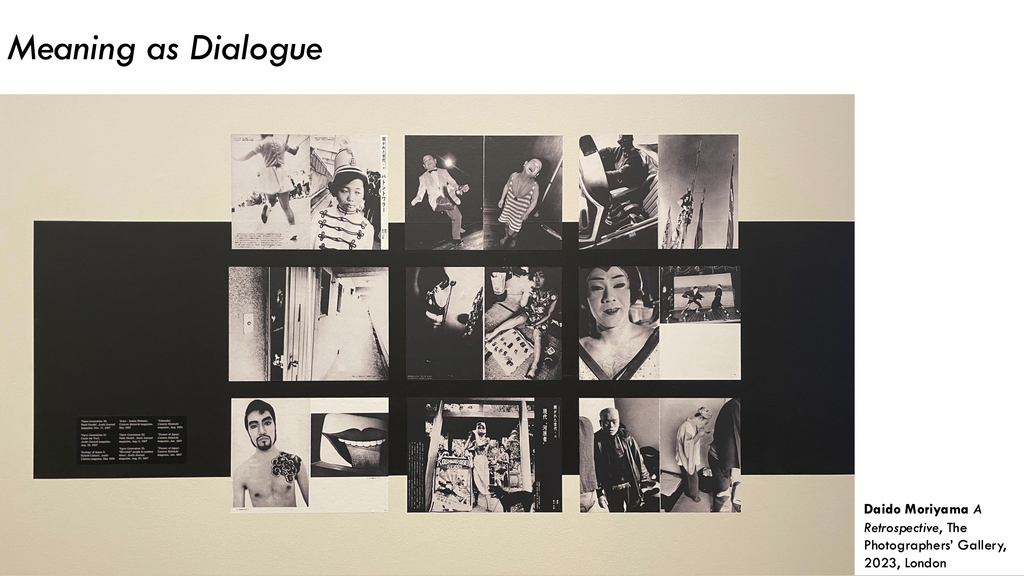
Moriyama, Photographers Gallery. Black line behind the images
Black and White images in White Frames Pop
High contrast images – black frame works.
Hoda Afshar, Speak the Wind 202 V&A
About the wind spirit Zar
Vasantha Yogananthan, A myth of two souls
Noemie Goudal
Giant Phoenix VI n 2022
A palm tree split onto
Rene Matic Feelings Wheel, sandwiched between glass and leaning on a shelf.
Big flag, with NO PLACE on it. Is it a banner in a protest or a flag
Nominated for Turner Prize
When we are looking at exhibitions and shows as well as planning our own part of the degree show we should be looking for synergy between the work and how it is shown
Light Bulb Moment
At this point as we were wrapping up I had an idea of how to display my drone photos, it might not be a great idea but what about projecting the photos from above onto the floor as if the drone is now spitting out what it sucked up from another location. As if it has transported the lcoation acaptured and brought it to this gallery space. It could work either on the floor or on the ceiling but I think top down might be a better idea.
Ophelia Recurrent
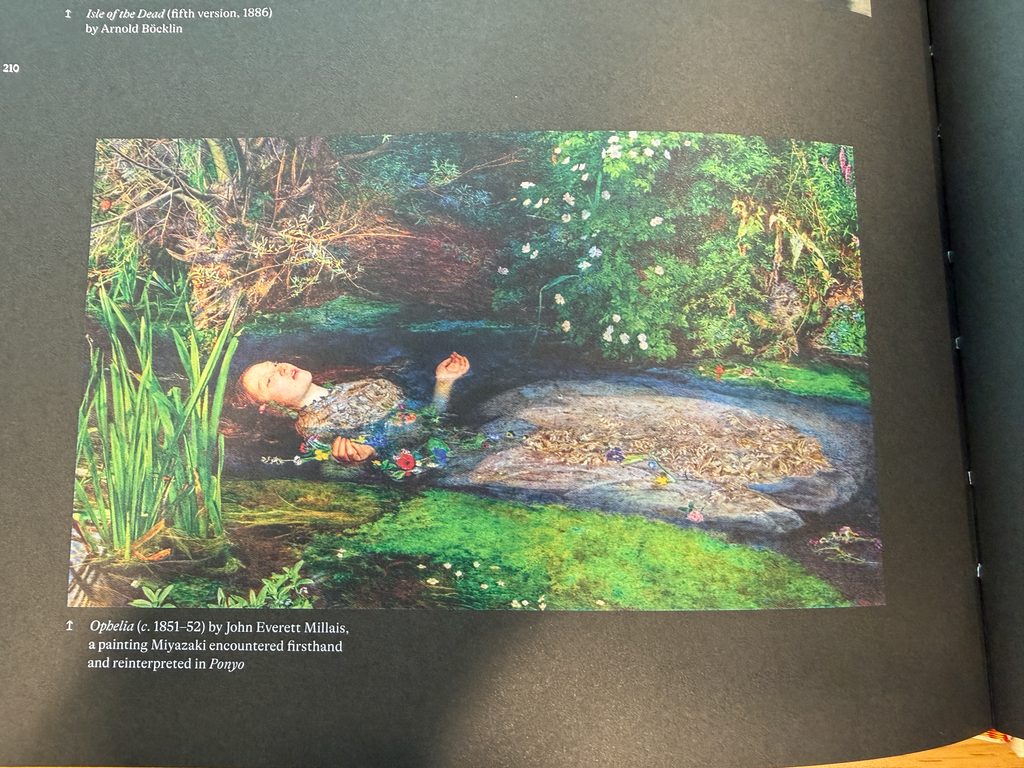
At the weekend I was driving somewhere when I heard on the radio some discussions of Ophelia, from Shakespeare’s Hamlet. There was a lot of chat about the painting by Melles or someone that they described and I didn’t remember having ever seen it. It is a super famous image by an artist called John Everett Millais and was created in 1851-52, it represents many different feelings, and societal norms at the time. It was ahead of its time in the fact that it showed something that represented a not usually depicted story. Explained on the radio was how it was modelled by Elizabeth Siddal in a bath after Millais had painted or sketched out the stream from a nearby location. She allegedly had pneumonia from lying in a bath of cold water for extended periods and although there are stories of her dying because of this and lending more sadness to the painting, these stories are apocraphyl.
I thought to myself as I listened on the DAB radio in my EV about the process that had gone into the work, and vowed to look it up once I’d got home. I did and I was impressed with the painting, it’s a wonderful piece of work and such detail and clarity lend it an almost photograph like appearance. I also knew that now I had heard about and seen this work that it would pop up in the near future, due to my Reticular Activating System (as Lou Tice and The Pacific Institute taught me) being alerted to it in the same way that you notice lots of the same car you’ve just bought, when you didn’t see them before.
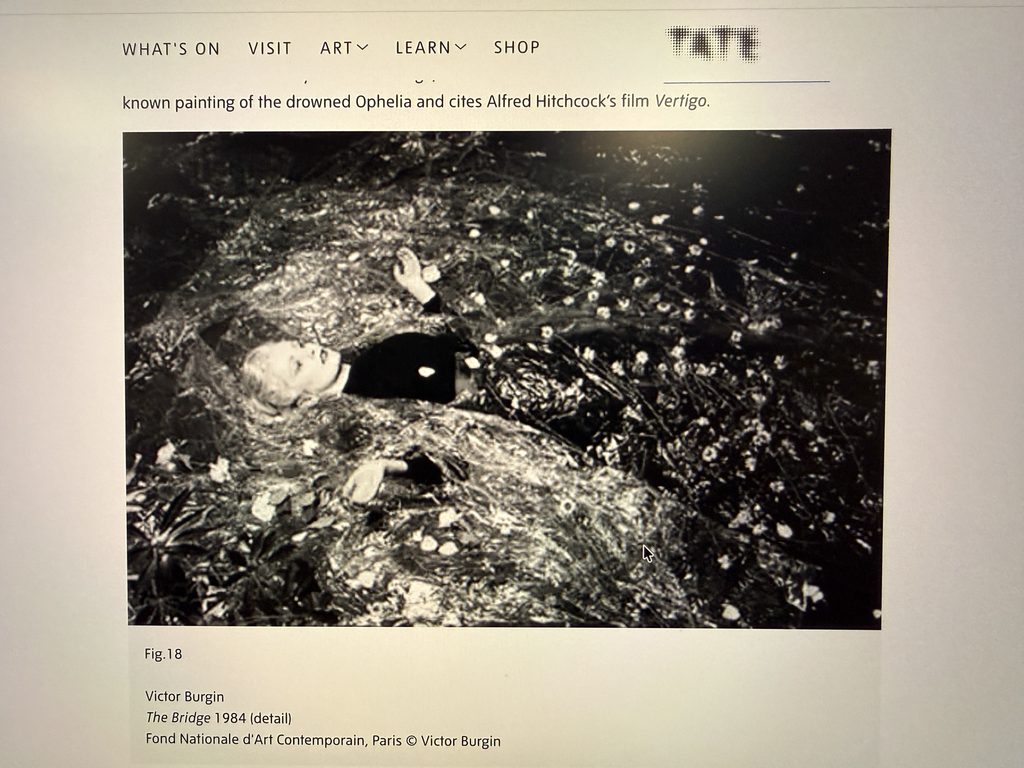
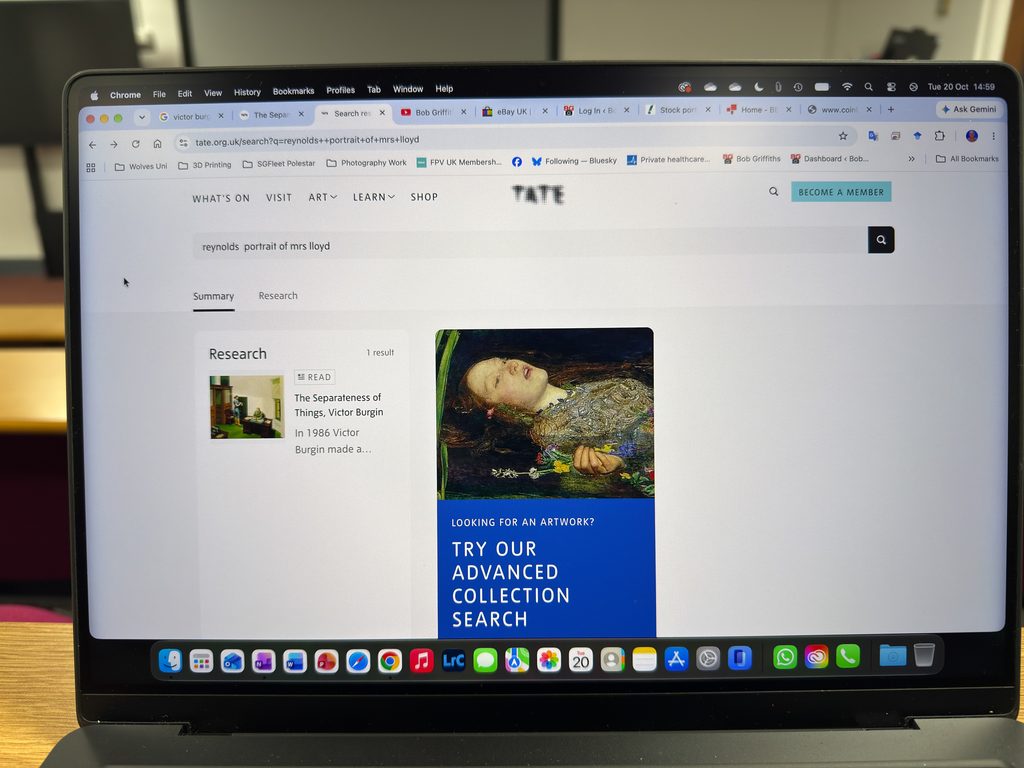
Since then, in the last week alone I would hazard a guess that I’ve come across it at least eight times in various places. On a TV art program, in the Miyazaki book that I mentioned above, on the Tate website whilst looking at Victor Burgin’s work and even a couple of other places that I cannot recall. Honestly It’s weird how that works and I’m certain that I shall come across this many more times in the near future.
Be First to Comment