As part of my project for the second half of the semester I am using photography to create a portrait of Shirehall, the former headquarters of Shropshire Council in Shrewsbury, my hometown. My aim is to create a project that captures the essence of the 1960s concrete modernist/brutalist series of buildings from the inside and the outside. I am using different methods to document this, including using a drone for aerial photos, film and digital cameras and even some video. In my practice this year I have also experimented in creating prints from the walls using ink and I’ve now started creating prints made from image transfer using gel plates. Some of this has been more successful than other parts.
As the film photography part of the project has developed (excuse the pun) I have found that I am experimenting with redscale film. Some of this can be seen in these two posts. Making Redscale & Using Redscale. I am awaiting the results back from the film lab for the last two films that I converted and have already made some images in redscale that I quite like. In a previous post I have spoken to Euripides, the course leader, who has suggested ways that I can make better use of redscale photography methods and materials, so that is what my most recent set of experiments are aimed at understanding.
Longbridge
During the tutorials with Gavin about the project and the discussions about the buildings being likely to end up flattened by developers he brought up the Longbridge Public Art Project which was a large scale multi year project (2013-2016) to celebrate the MG Rover / British Leyland Car Factory in the Longbridge area of Birmingham. This project featured many works and projects by artists including a longer term Light Festival by artist Cathy Wade that saw a huge festival of light return for many years to the run down, and flattened site. One artist in particular triggered the conversation around my practice and that was Stuart Whipps. He is based in Birmingham and his website states that “He often makes work about things he doesn’t understand and doesn’t know how to do.”
Whipps’ Cream
Whipps works in still and moving images as well as a lesser amount of sculpture and he was involved in the Longbridge project with photography and also restoring a Mini car with the involvement of the workers from the original factory before it closed down. He went into the factory buildings and captured the scenes of the everyday that have been left to the forces of entropy. The muted tones, familiar grubby glass and dusty surfaces in the environment that I have worked within for most of my working life.
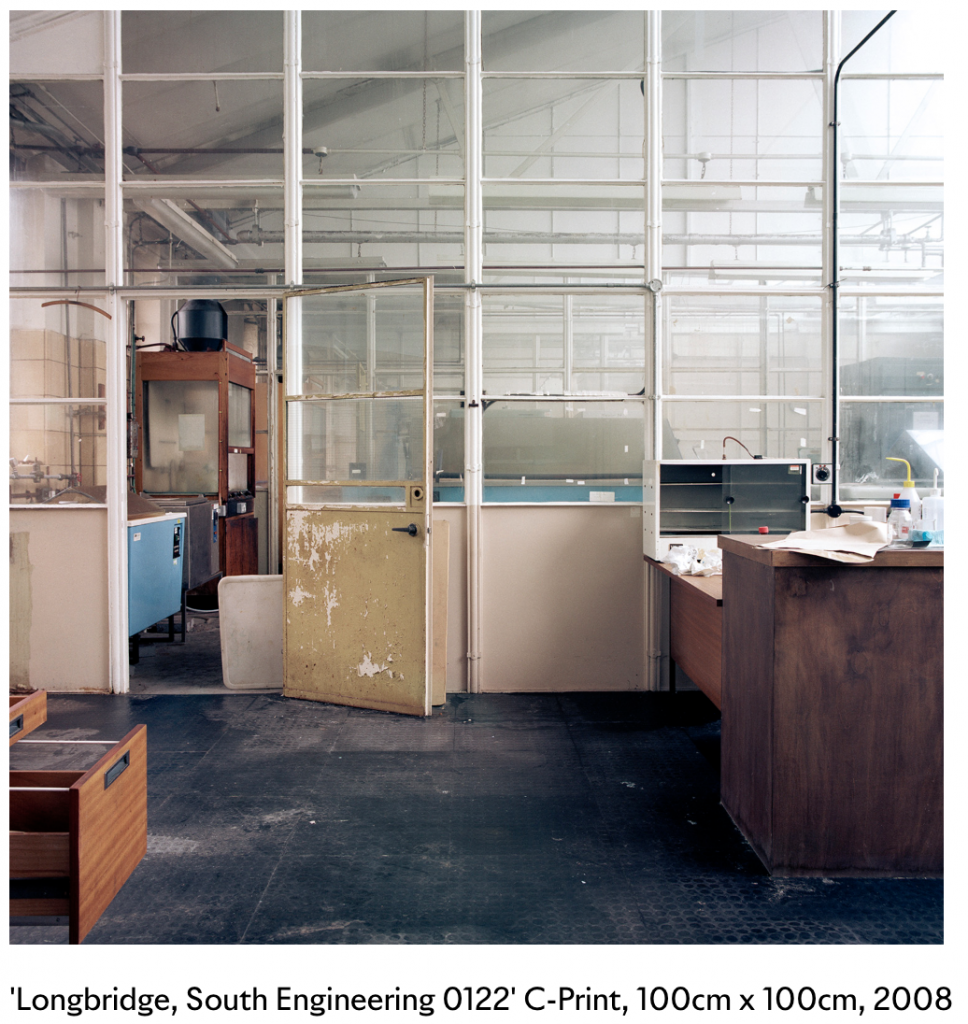
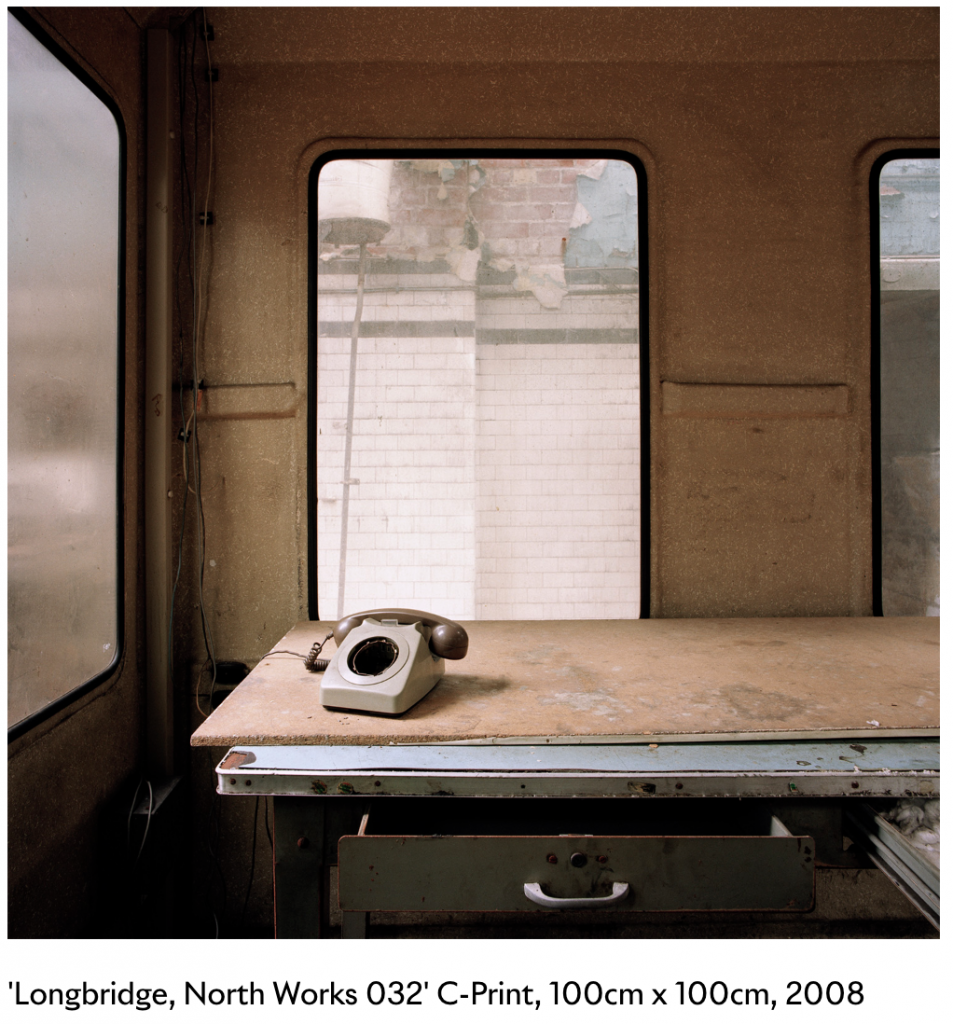
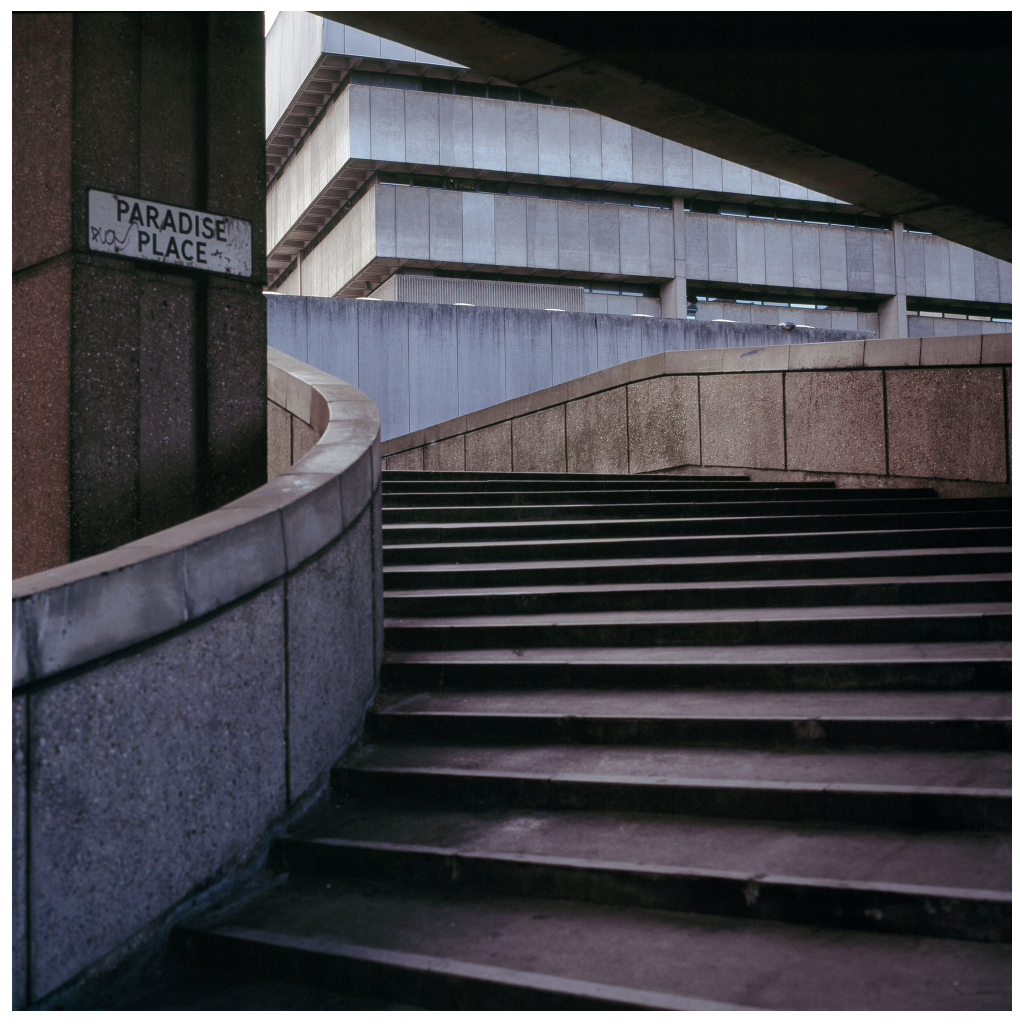
Looking at Whipps’ website I can see that he has worked with photography in Bourneville, inside the Birmingham Central Library and includes some architectural photography capturing individual buildings and parts of buildings with their surroundings. He also appeared as part of the 2011 exhibition at IKON called “Why Contribute To The Spread Of Ugliness?” in which many photos of controversial pieces of architecture were discussed and illustrated.
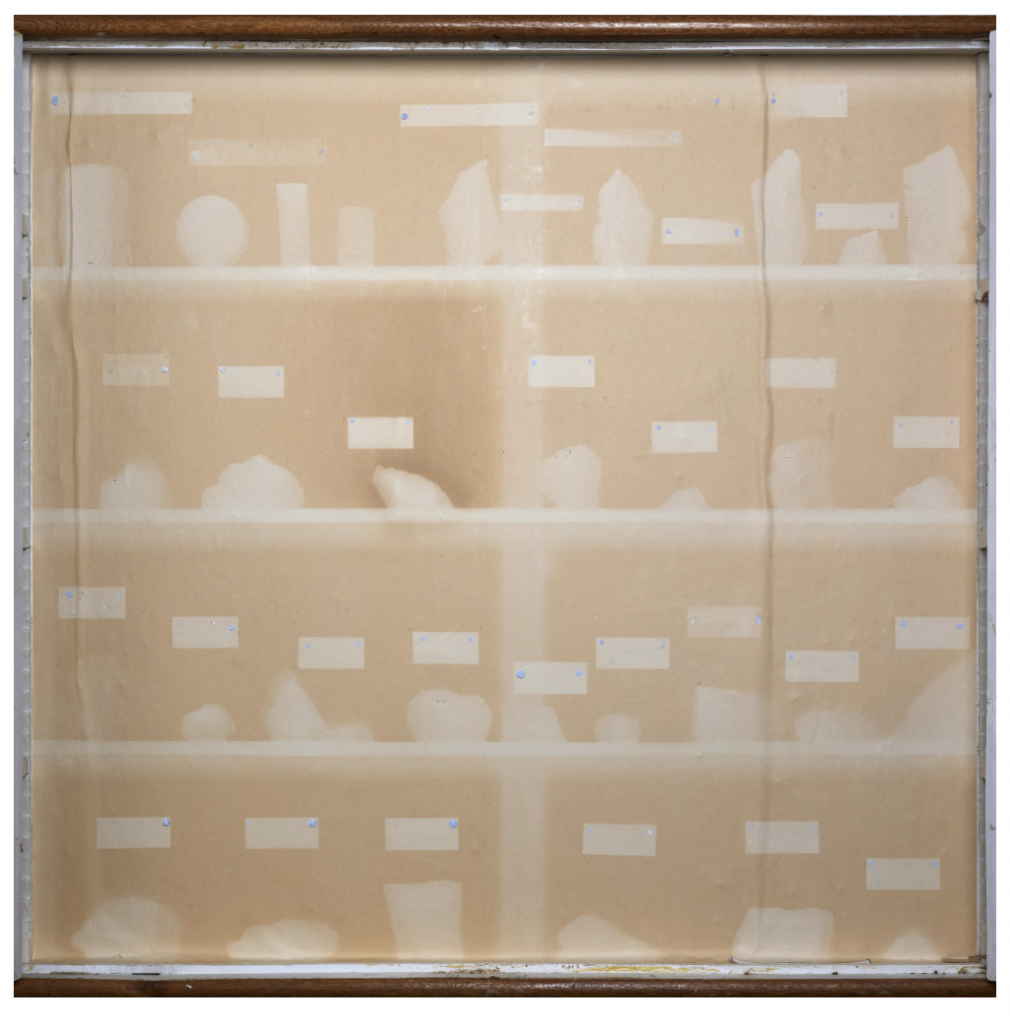
2024, Stuart Whipps
The Scotsman said in a 2020 article that Whipps is “immersing himself in worlds about which he knows little, restoring a 1979 mini with the help of former British Leyland workers, or learning a 17th-century sign language devised by Sir Christopher Wren. In lockdown, he has been gardening, and plants and their history are the centre around which the work orbits, meandering off, like roots or branches, to explore new ground.” This links back to the line in his About page “makes work about things he doesn’t understand”
Whipps has carried out numerous projects over his career that appear to explore humans and their surroundings, a project he was commissioned for was for New Geographies called Necessary Amendments: Homes for the people. This was a film about people moving into “New Towns” that are far from the “New” that they once were. The fact that he focuses on the word New in these works is a reminder that he is interested in Memory and perception of history from different points of view.
Reflection
Some of his work is a bit conceptual for me and his film and sculpture are ok but I do feel an affinity with some of his photography around documenting the history in old buildings and the features of the structures and the contents of the spaces. He reminds me to a certain extent of some of Mark Power’s works in that he is capturing the real nature of a space and not romanticising it or necessarily making it appear more aesthetically pleasing to the eye. Whipps and Power both have the ability to capture a bland scene and make it a treat to look at.
Whipps’ background points to an academic career as he completed his degree in photography at the University Of Wolverhampton and is currently a Senior lecturer in photography at Birmingham City University. He lives and works in England’s second city and is surrounded by subject matter that he no doubt finds great meaning in.
It would be really interesting to get him involved in returning to the University Of Wolverhampton as a guest speaker, for my own benefit and possibly for the greater good of everyone else on the course.
Be First to Comment