As I’ve been shooting on Redscale film throughout the last couple of years, I have been looking through other photographers and artists who use experimental film and techniques. This post collects a few examples of artists who have inspired me, given me ideas, and methods that I might be able to try with my own projects. I touched upon redscale film very lightly during my time using it and used a mixture of both shop bought and self converted, with a little help from Euripides. I used it for one particular genre of photography, that was Brutalist buildings in general, more specifically, the Shirehall in Shrewsbury and other structures around the UK, such as Dudley Zoo Tecton Architecture, University Of East Anglia and University of Leeds, so I haven’t been using it in a particularly experimental way, more of a traditional way of using film but with an experimental film.
Hodaka Yamamoto
One photographer I have looked at for his use with experimental techniques and films was Hodaka “Hodachrome” Yamamoto. Known as hodachrome on instagram and other social networks he is a highly prolific producer of fine art photographs that have been created using multiple exposures and different processing and printing techniques. He is a year younger than me and has worked as a photographer, lab-operator and graphic designer before going out on a freelance mission. He does multi-exposure film photography, all in camera, uses cross processing of slide film and makes his own redscale films. He is a Japanese photographer and has been posting images for a ong time but seems to have slowed down in recent years.
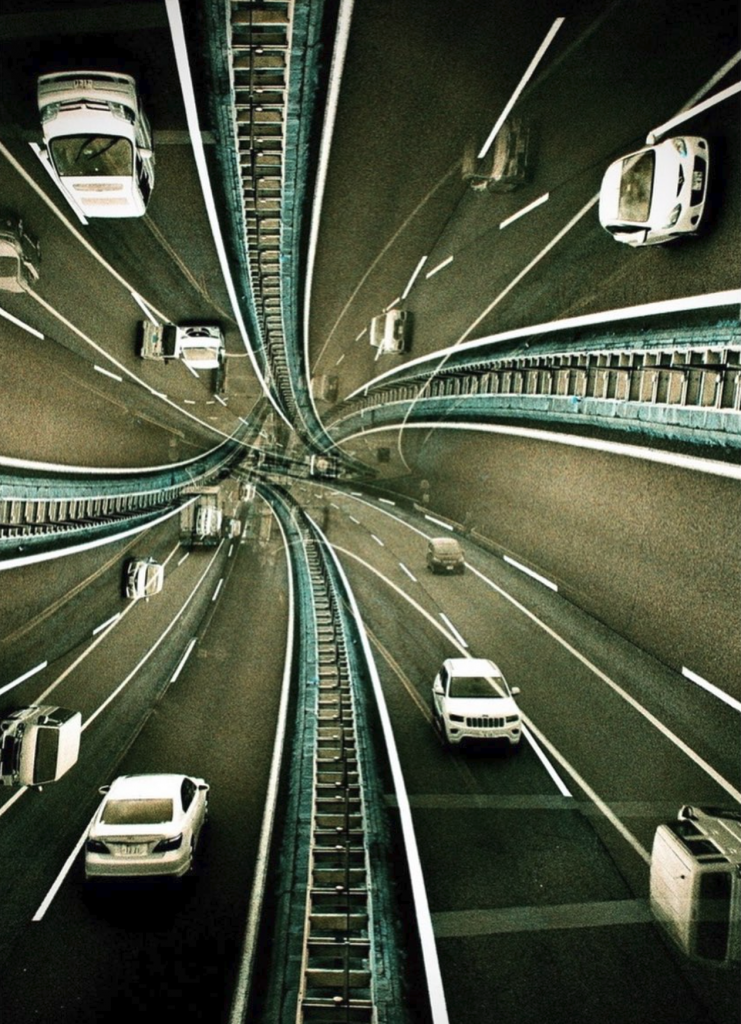
One of his recent images from Instagram features a four time exposure on a single negative of a road scene that is mind boggling at first view but begins to make sense once you realise how it was done. After years of seeing this sort of thing being done in photoshop and now with AI tools, this is a wonderful image. It was shot on a Canon EOS7s 35mm film camera using LomoChrome Turquiose XR100-400
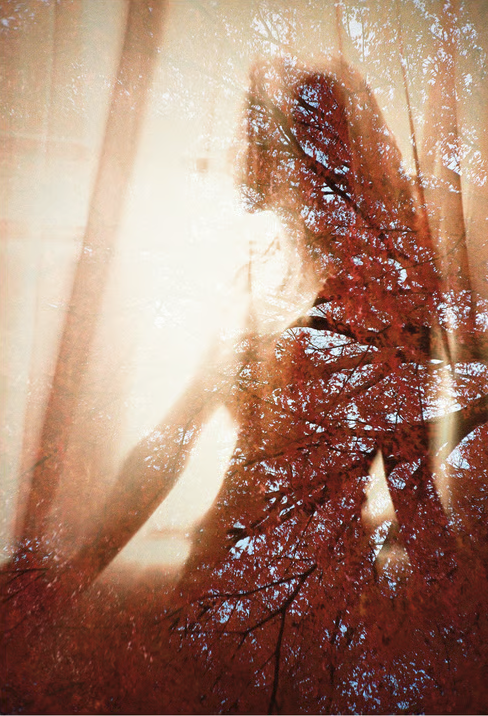
Another shot off his website is a double exposure of a portrait with some trees overlaid. It is a redscale image that shows the versatility of the film and how Hodaka uses it in his everyday practice.
He also has a limited Youtube Channel and on there is a video of some of his redscale photos which show how his films behave and the effects that he pulls out of the film through his camera. Most of the single exposure images are similar to the output of my own redscale practice in that the colours in the image are reds-orange, and there are a couple where he has managed to pull out some greens, and purples in a few of the photos. He has obviously got a solid foundation in film photography and his subjects vary across his portfolio but the techniques used are what his photogrpahy is all about. It leads to many spectacular images. He doesn’t tend to post much online about his practice in the way of a blog or on twitter (X) etc but it is very inspirational to me. I think that my current stock of redscale films sitting waiting to be used will see a couple of experiments as per Hodachrome.
Kay Dekkers
A photographer based in the US carries out studies and trialing out new techniques. His practice appears to be choosing different projects and collecting them together as a photographer but is also engaged in commercial video work and photography.I am primarily interested in his photography work though. His website has links to multiple studies that he has carried out and I am mainly interested in the Redscale/Aerochrome work as well as some of his work made across the US. I am travellign across the US in the summer of 2026 so I’ll be interested to see if I can capture some of the personality of the different states that we traverse through in our camper van.
His instagram account is mainly based on his work as part of the Zona team and documenting his adventures. But there is a link to some of his redscale adventures where he shot Lomography Redscale XR on a journey through the South West of the US.
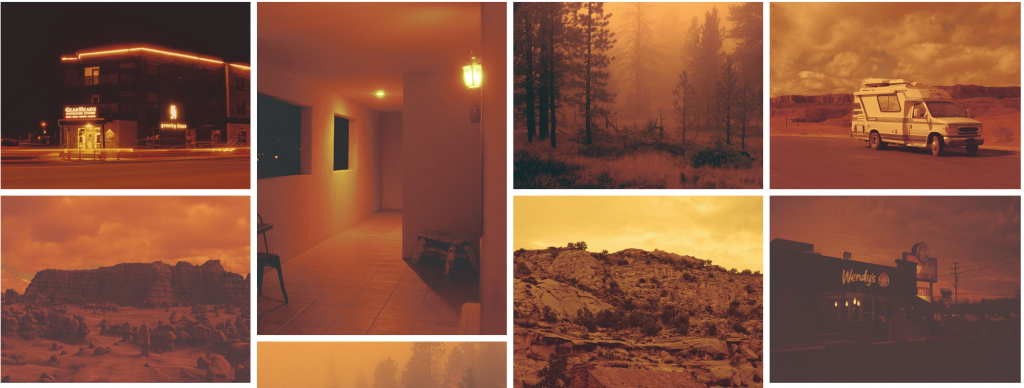
Some of these images are amazing and capture a sense of a forest fire or a time gone by in the US. I’m looking forward to spending time travelling and taking photos.
He also has a study on Aerochrome which was a Kodak Colour Infrared Film that is no longer in production and it provides some wildly false colours but the effects are lovely and makes me think I might try something similar, but a single roll of expired film sell for around £200, bit out of my price range and if you have to allow an extra stop for each decade of expired films then the one i’ve just seen on ebay from 1983 would need an extra four stops!
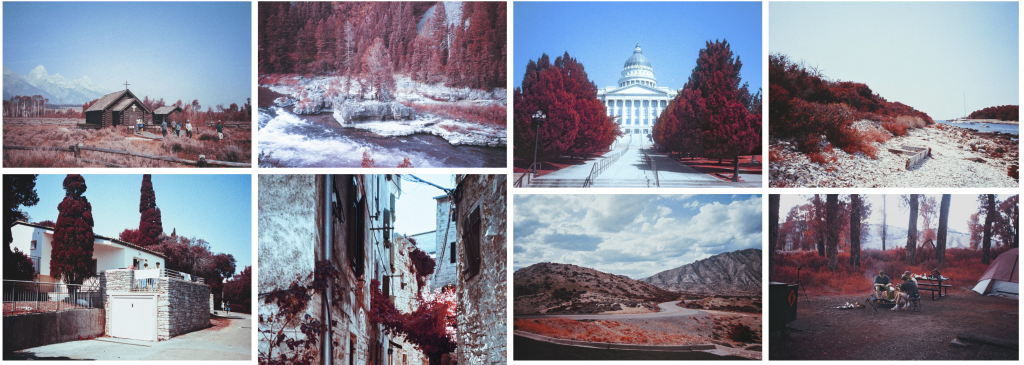
I can see the use of these films in Dekkers’ work as totally appropriate and more in keeping with a documentary approach to travel when compared to the fine art approach of Yamamoto. I also like that he has grouped his work into smaller units and presented them as a study. There is not much on his methods or reasons for shooting, not even a single video on his Youtube channel.
Adrian Norbert Cuper
A photographer and educator based in Warsaw, Poland he shares his knowledge of analogue photography via YouTube and other channels. He spends a good deal of time in the lab and out and about with a film camera or two. He has been photographing since 2010 and is a writer for some photography magazines in Poland also. He does traditional photography including weddings and business headshots as well as portraits but I found his work on Redscale images to be quite captivating.
He has an instagram presence too but it mostly features portrait photography and I found the work I like the most is on his Lomography Home which his redscale images of Rome and the architecture therein. He shot the photos on a Canon EOS30 using Lomography Redscale XR 50-200.
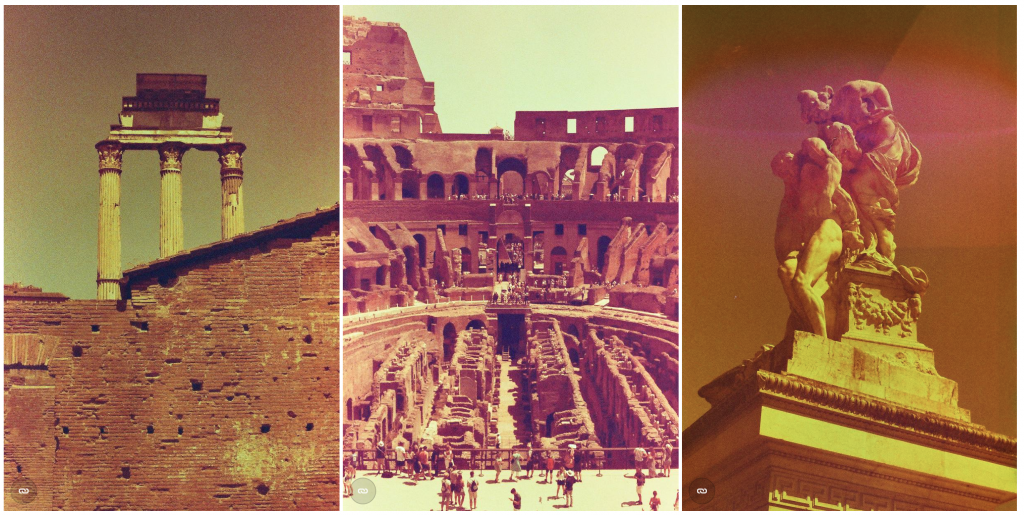
He talks of this shoot about how he grew up in Poland which was formed 1000 years after Rome and how he wondered if the Romans might have ever thought that someone would be taking photos like this in the future. He documents it and questions the meaning of the architecture and the differences in the architecture today versus when it was originally installed. He doesn’t spend much time discussing shooting on Redscale film but he said that used Redscale to help set the scene and think about how the camera is a time machine of sorts.
The photos in his post on Lomo website are all wonderful captures of the architecture in the Italian capital and whilst they are different to the brutalist focus I tend to concentrate on, it is interesting to see how he uses the film similarly to me and I find that the photos that have more character are taken in the brighter sun with more detail. This is familiar terrotiry as that is what I found during my shooting of redscale.
Tobias Eriksson
Whilst the previous photographers have mostly shown work on Lomography purchased films that have been converted from normal film before sale, this photographer has experimented with self conversion of films and this post on 35mmc displays the differences between some of the films he switched around.
In this post Eriksson uses Lomography Redscale 50-200, Kodak Colour Plus 200 and Cinestill 800T to compare the differences. The lomography film provides pretty consistent results and when he changes to the reversed Kodak and Cinestill he was seeing less red and more of a green tinge to the images. Again these are not fully related to my practice but it was interesting to see how other photographers obtain results from the same sort of films and cameras.
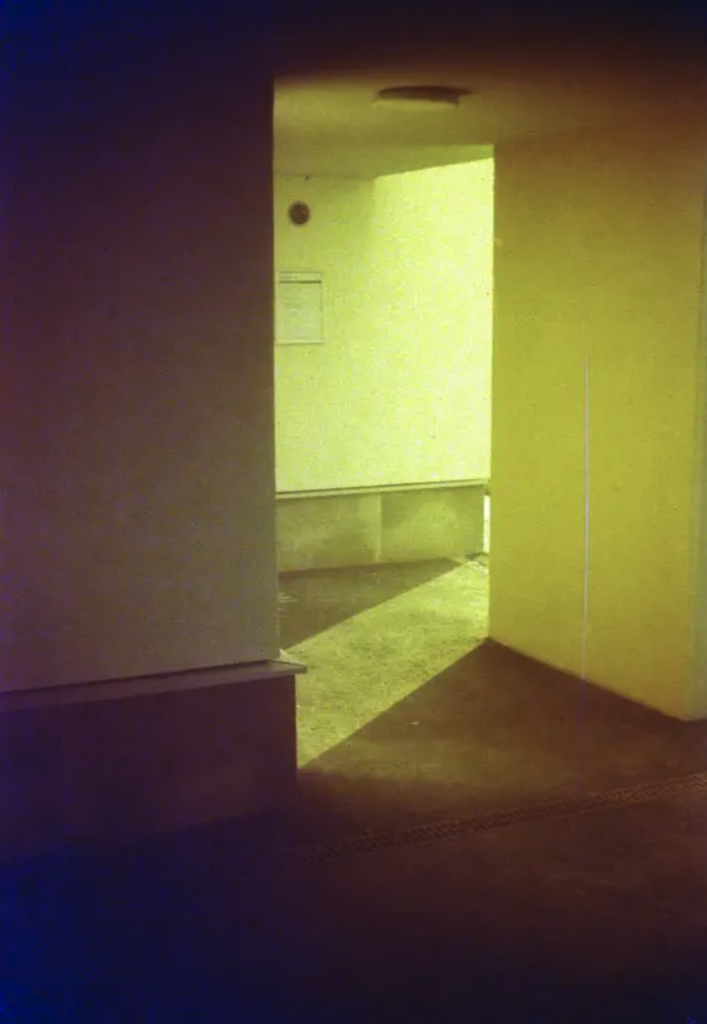
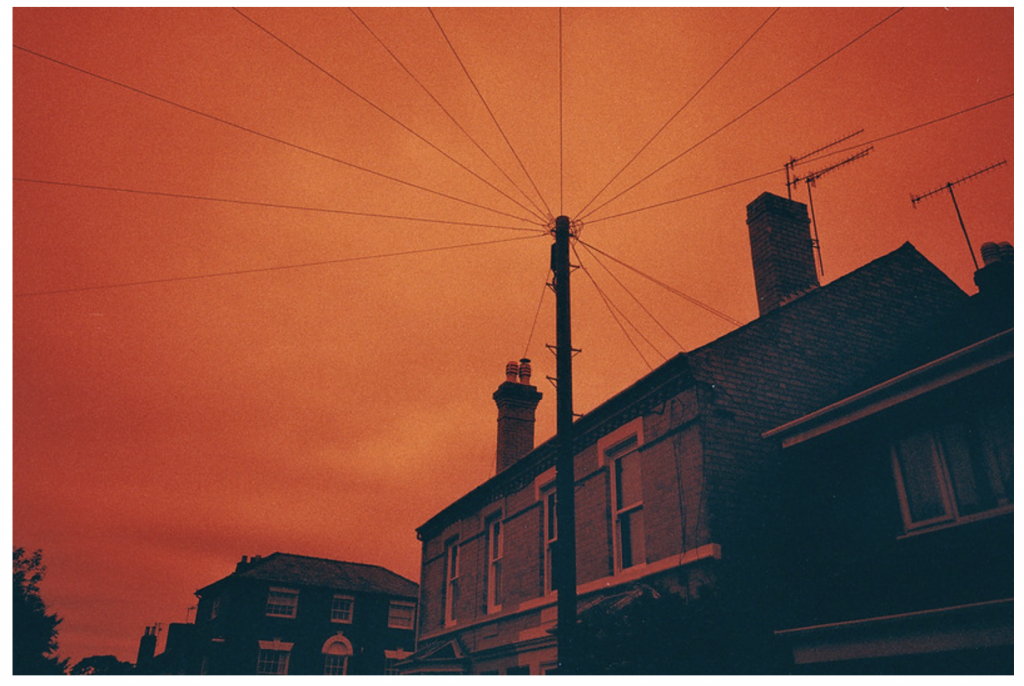
Hi also quotes another post by Hamish Gill on how to convert a 35mm cannister to a redscale and he also has some examples of the photos he has captured with the same technique.
Christian Schroeder
This photographer has an article on 35mmc website and has some experience of shooting redscale using old cameras. His photos on this post are based around the architecture of his hometown. He explains how experimental films like the Lomography Redscale XR get him excited about photography after finding constant shooting on normal films a bit boring after a while.
He also uses a tilt shift lens to gain a different perspective on the subjects and they do show up as a unique style of photograph.
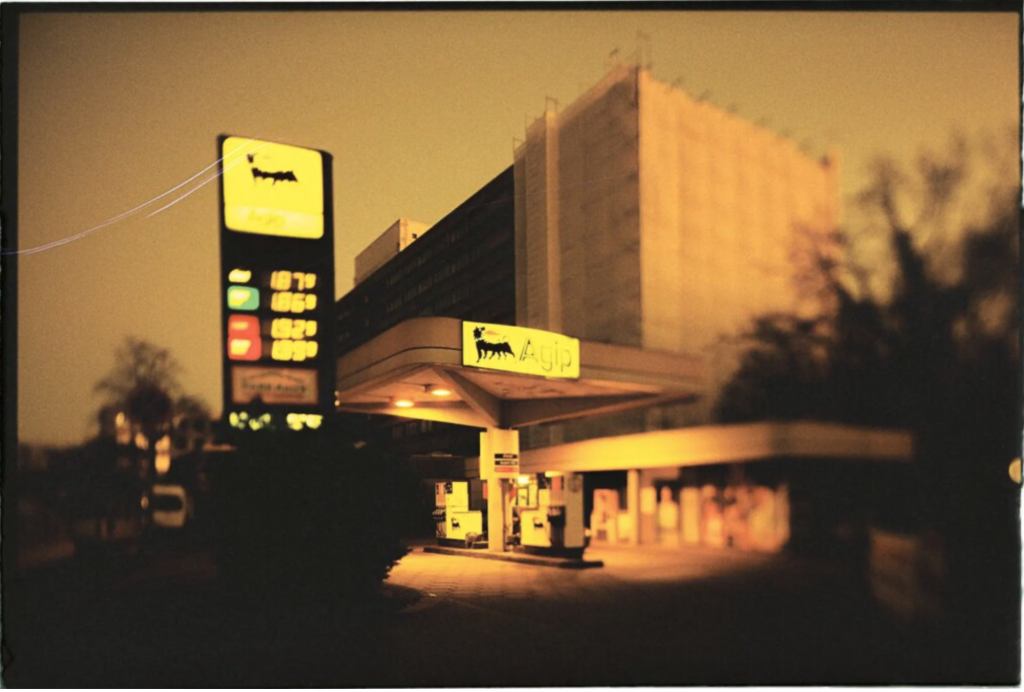
This above photo shows the strange colouration typical of the redscale film and the strange depth of field concentration on the petrol pumps in the middle of the image gives it an eerie and otherworldly, even toy scale like apperance.
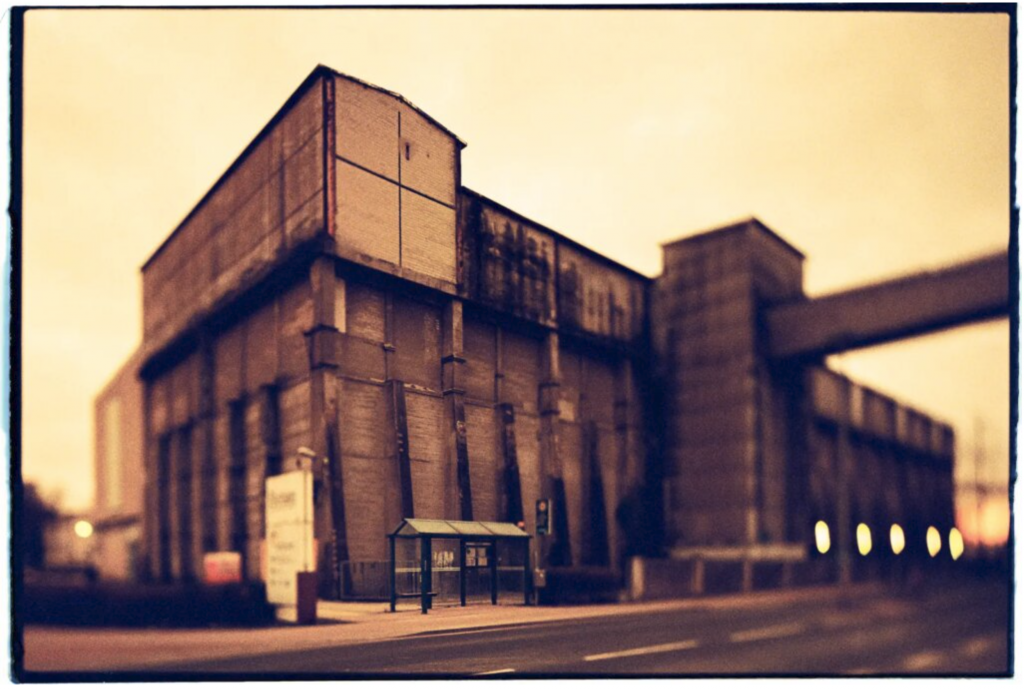
The photo in this post that is my favourite though is this picture of an old storehouse and the odd effects that come from using the combo of film and tilt lens. The colours are of a yellowy hue rather than the big in your face oranges and the bust stop being in focus while the rest of the usual focal plane is not seems a little on the alien side. I still love it though and it’s a good experiment in how to use equipment designed to straighten up converging verticals and correct other photographic issues, to the effect of of disorientating the viewer.
My Own Practice
How does all of this info and the rest of it out there relate to my practice? Funny you should ask, I’ve written some bits below and also included a gallery of some of my images from recent years experiments with redscale.
I played with Lomography redscale film after hearing about it at the University talking to Simon and Euripides. I’d not come across it before but it was interesting and I thought I wanted to try it without spending money on a film that I then messed up by reversing it incorrectly. I used the Lomography Redscale XR 50-200 and wasted a good few rolls by not adhering to the recommendations on the Lomography website that suggested different ways to expose the frames during the shoot.
The first visit to Dudley Zoo with the redscale 120 in my Bronica ETRS was not wholly successful and the frames were all woefully underexposed. I repeated it with another set of films and was a little more successful as can be seen in my YouTube video. I love the yellows and oranges in the photos that I’ve made of the Zoo and the Tecton Modernist Architecture within. The second set in the gallery below were more pink and these are of University Of East Anglia and were the same film but I exposed them more cnositently as two stops overexposed from the box speed. Amongst this grid is a shot of a tower block in the Barbican estate in London and I was very happy with some of the shots from that roll or two. They were shot on a 35mm Leica M6 using a tripod. The last few frames were shot using the reversed film that Euripides had helped us learn about, it was a Fujifilm Pro 160 that I shot with at least two more stops of light, using a tripod. I shot a load of film at the Shirehall in Shrewsbury for my project but I wasn’t overly impressed with the outcome of all the frames on the roll.


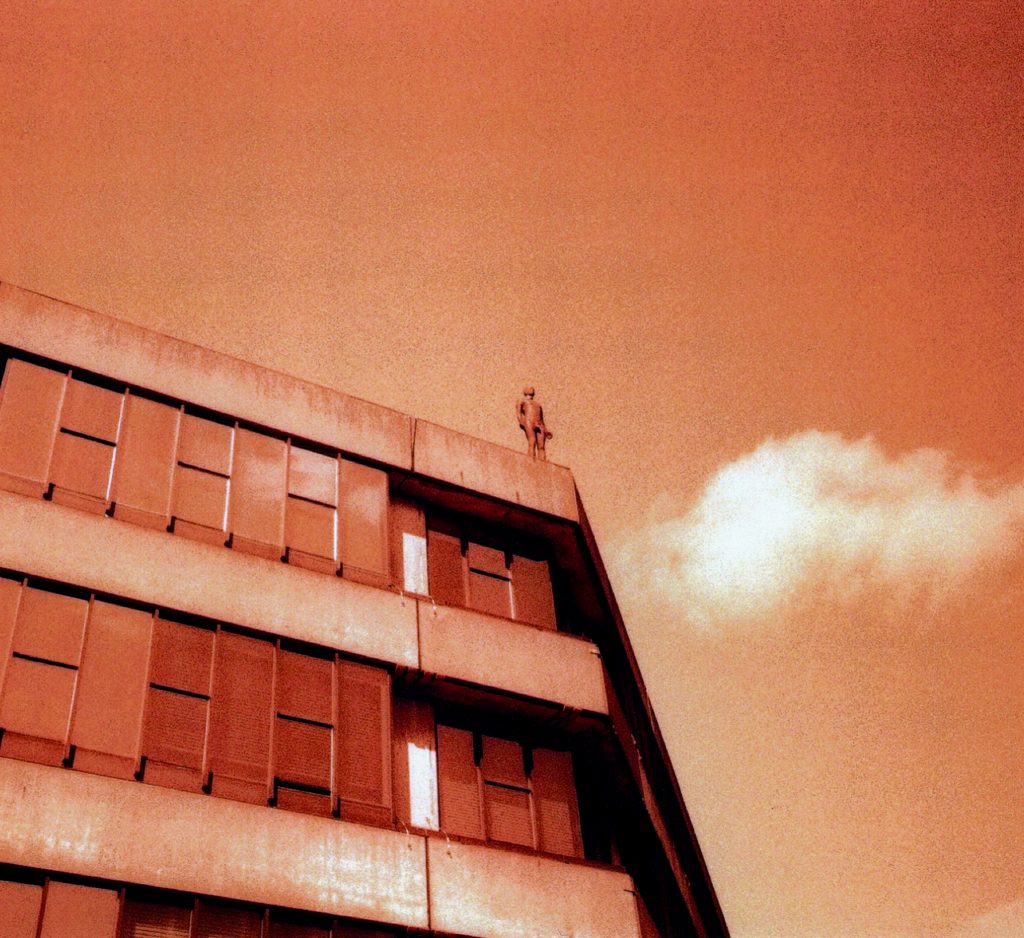
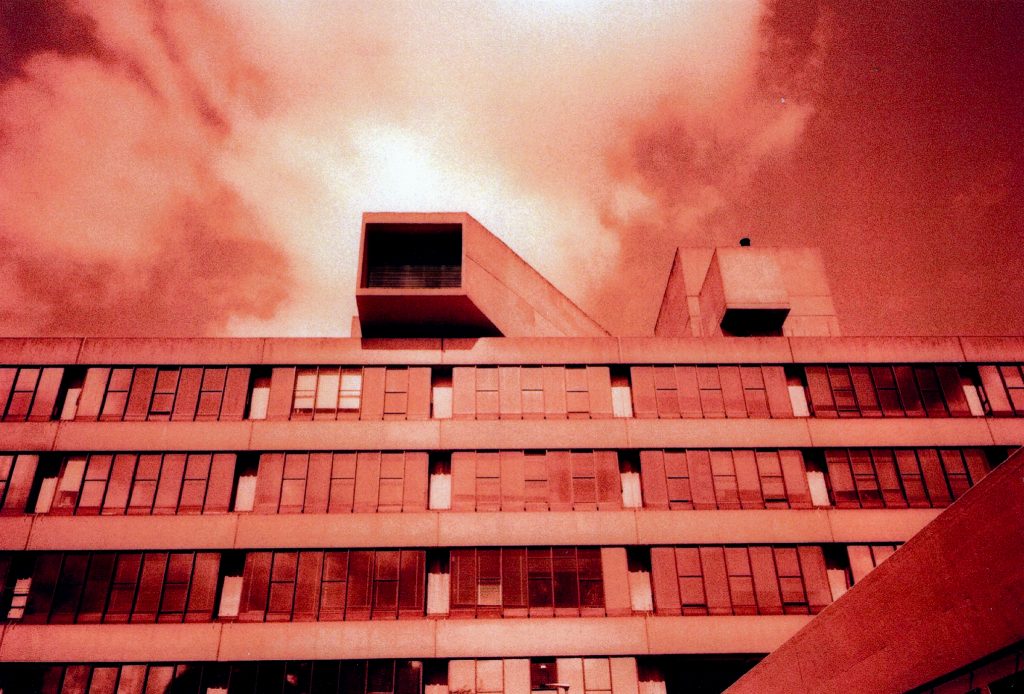
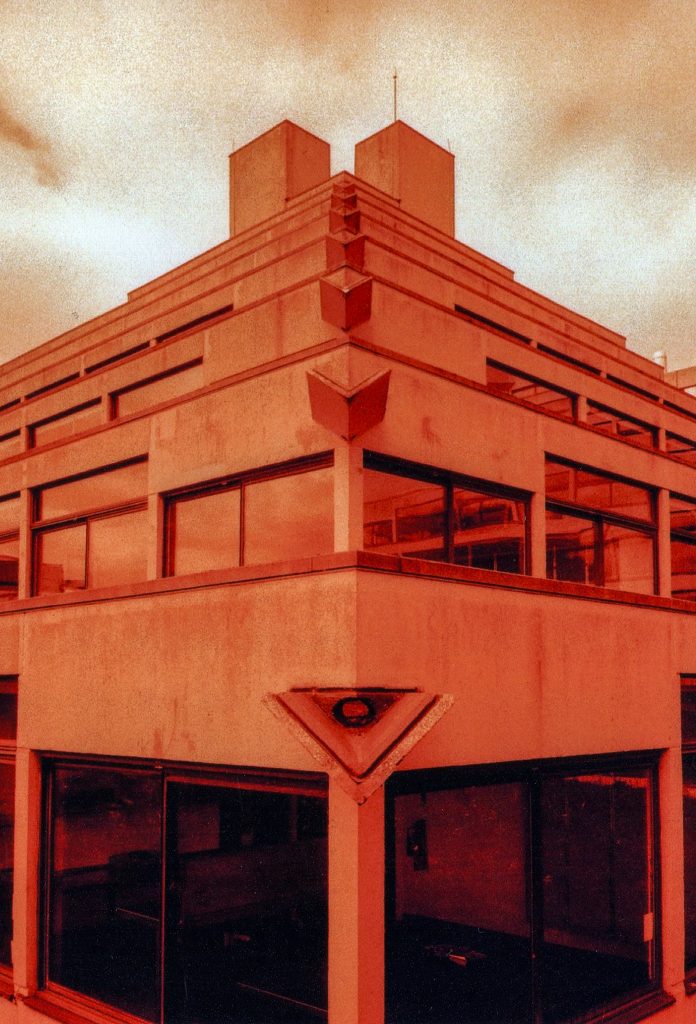
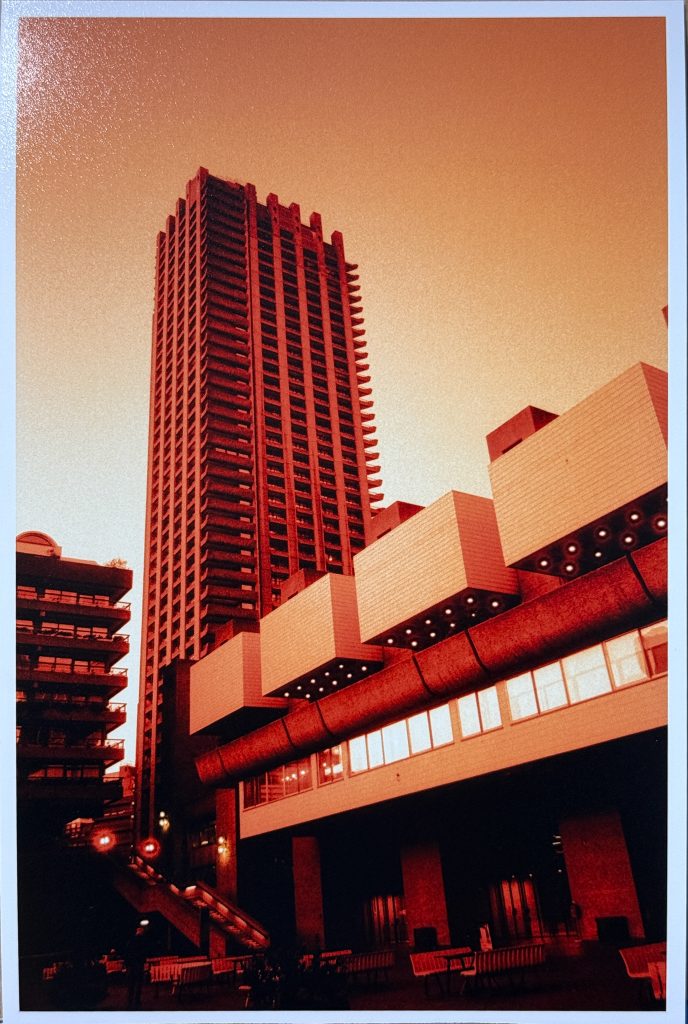
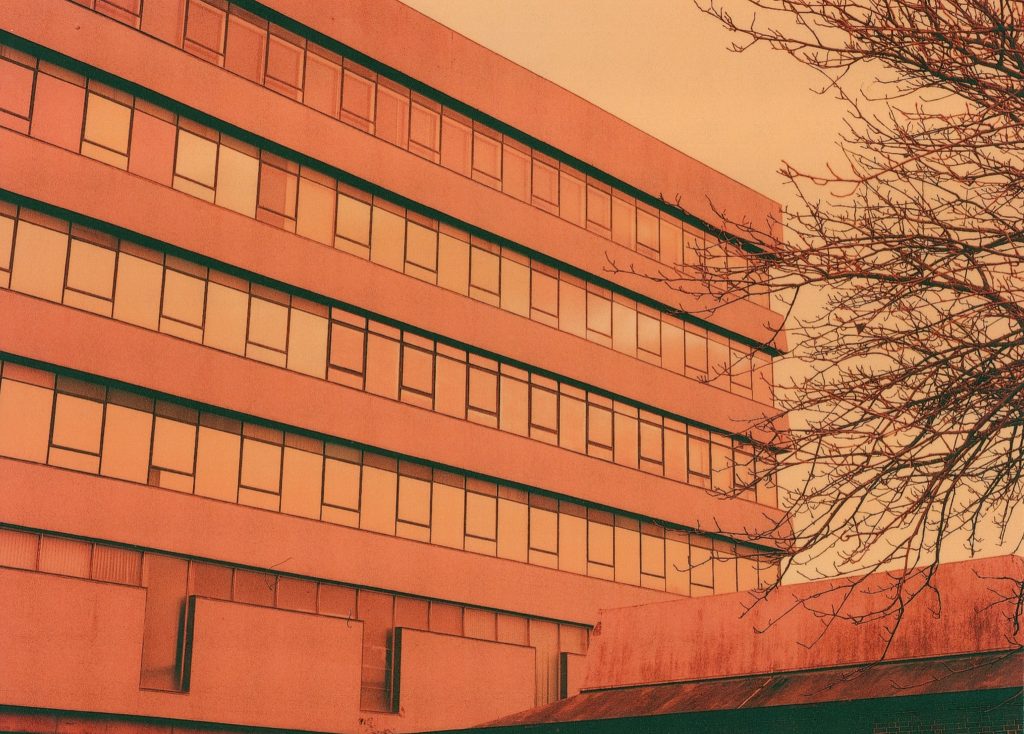
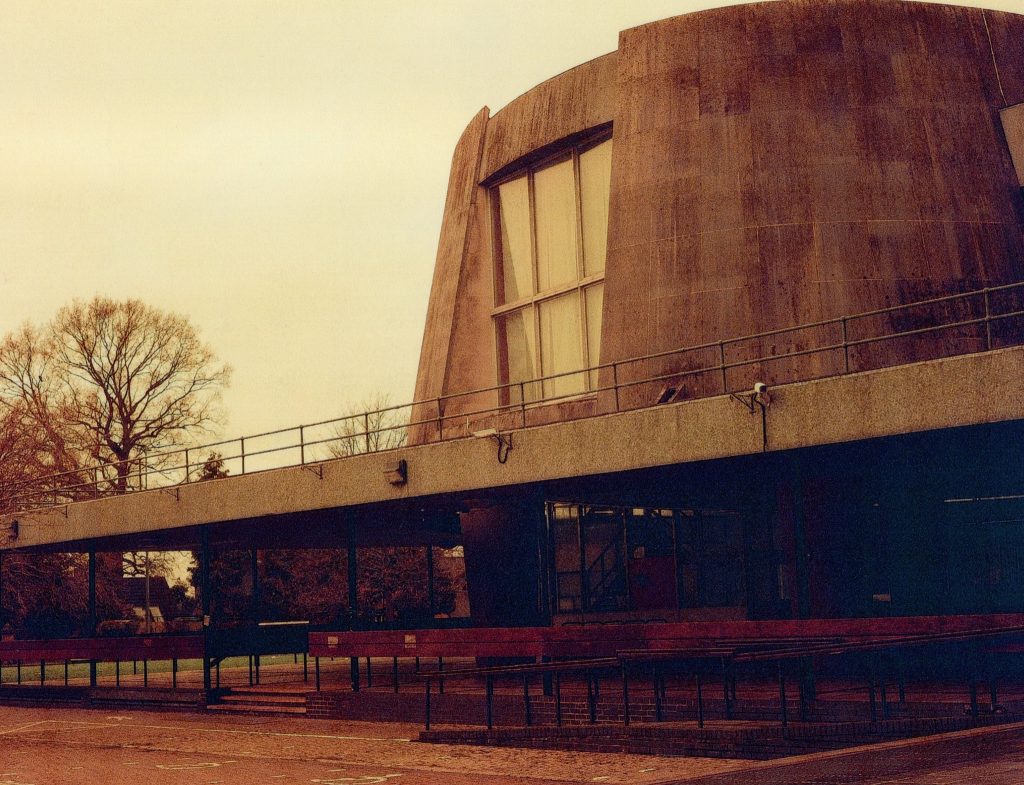
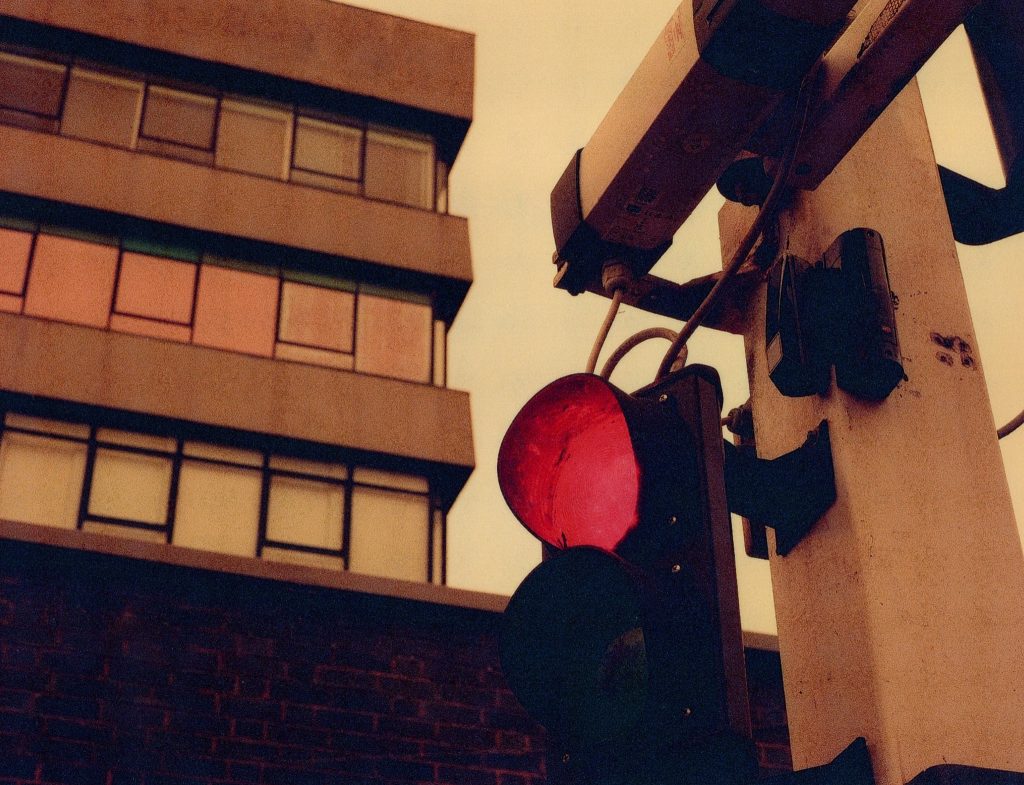
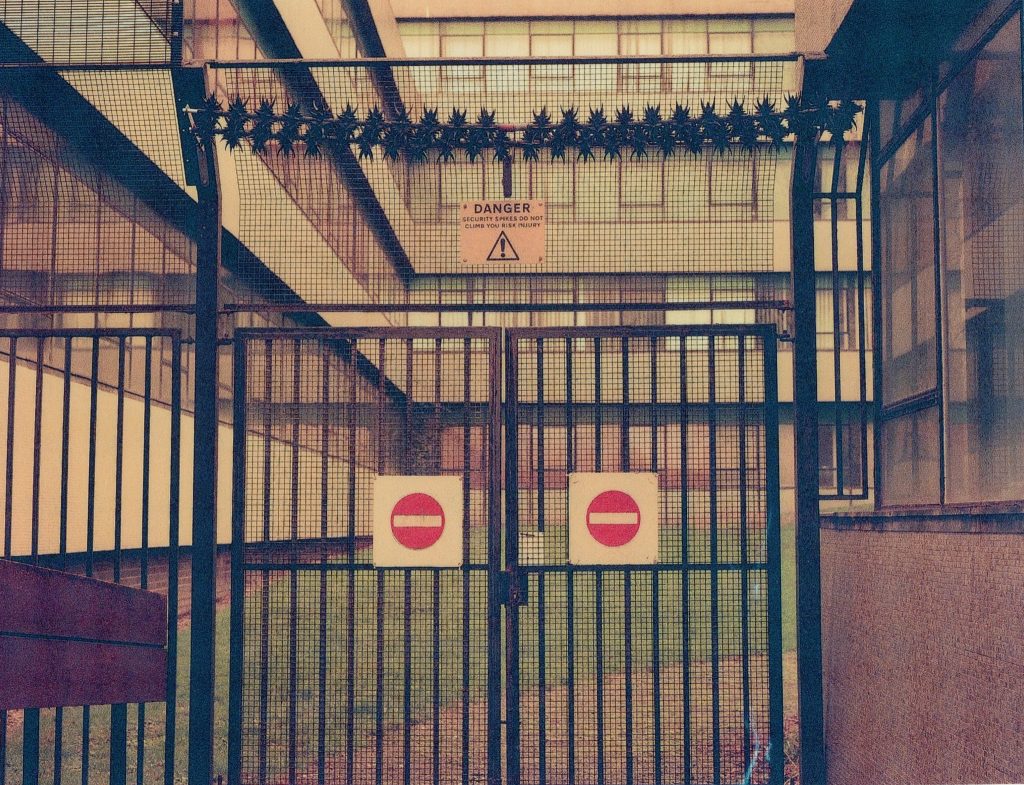
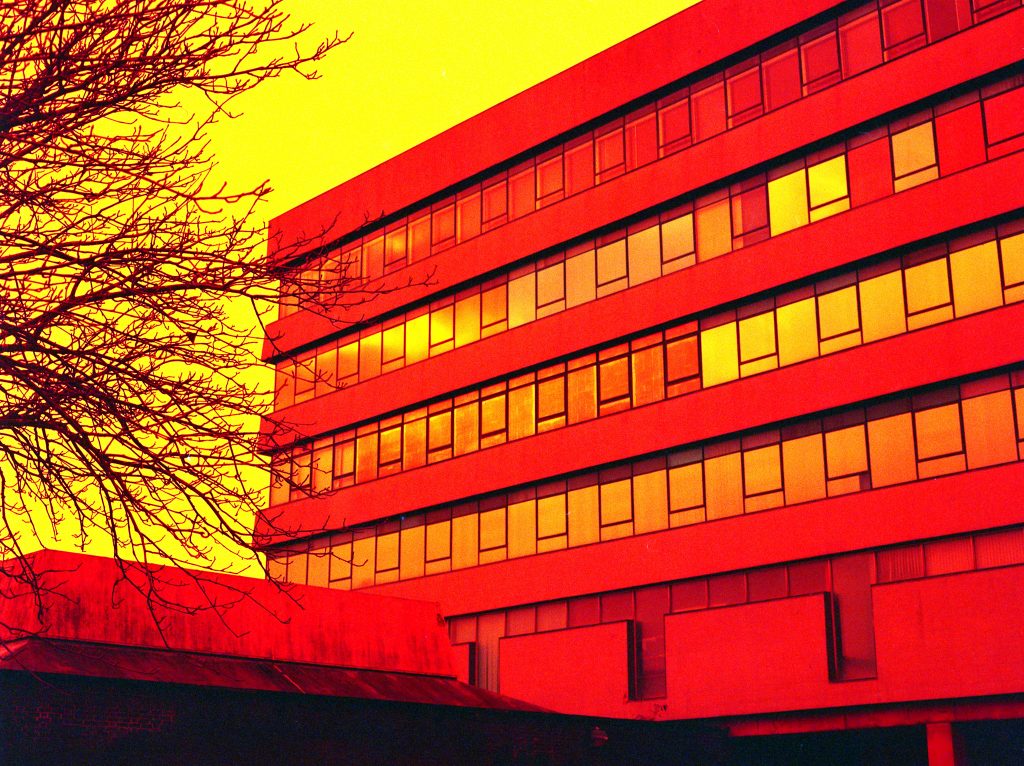
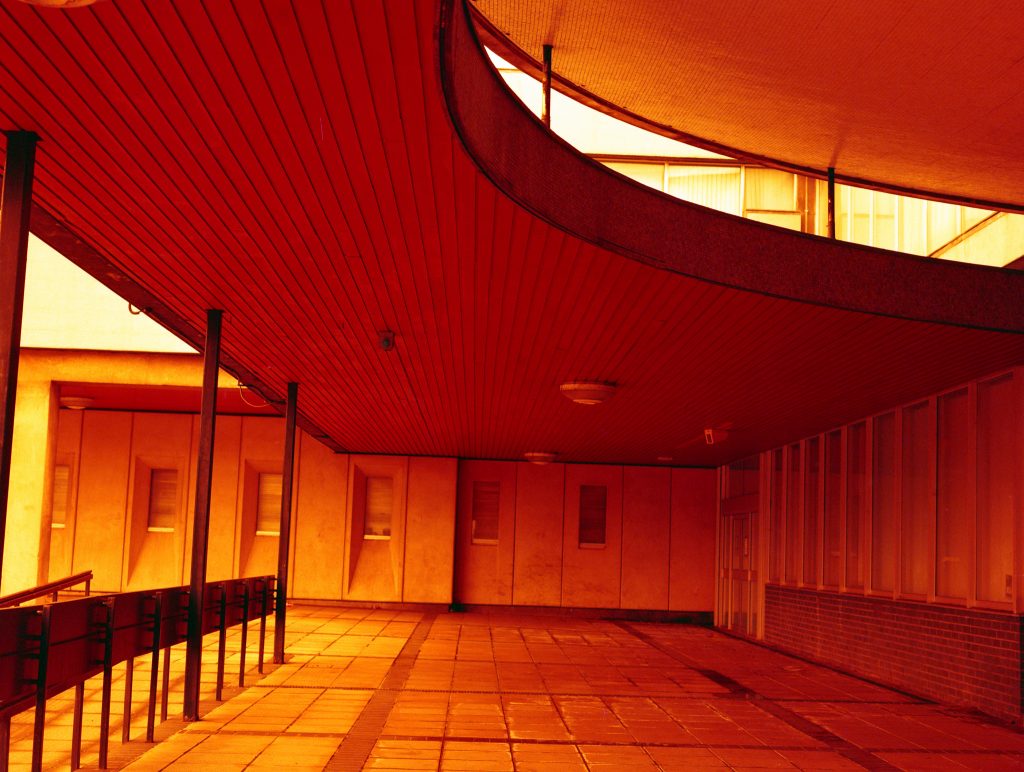
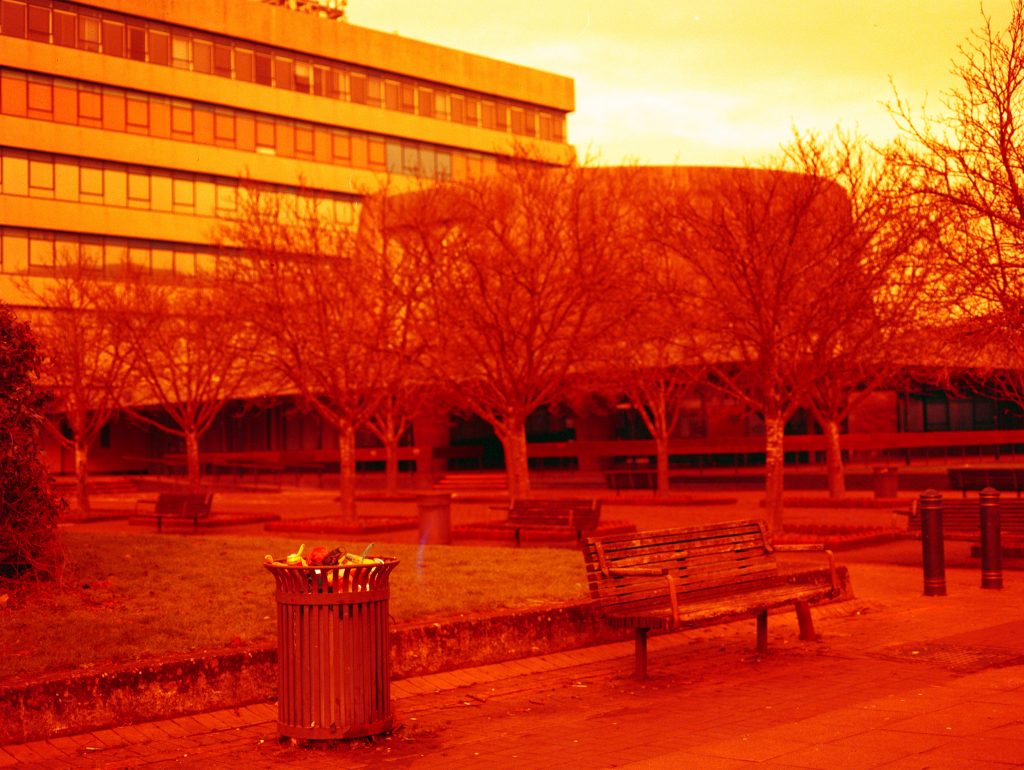
The last three were exposed at the same as the rest of the Shirehall photos but was a slower film and as such when shot reversed it was a lot more contrasty.
I think for the future I still have a few rolls of 35mm Harman Red, already to go and also some rolls of Fujifilm Pro 400 in a 120 format. The plan for the 35mm is to take it along on the trip to the US in Summer of this year (2026) and see if I can capture some shots with this to give a different appearance of the countryside and maybe even the urban spaces that I’ll no doubt find on the trip.
I’ll spend some time reversing the Fujifilm 400 before I go to see if that makes a difference too. I also plan on making some digital images using my Canon R5 and Leica Q3 on the road trip, but I think it’s important to play with the different film types and techniques.
Reflecting
Overall, my use of redscale films has been limited to twelve rolls so I’m not massively experienced with it but I can confidently state that my use of it will always consist of overexposing it by at least two stops. The other photographers that I’ve mentioned above all shoot the similar films in a similar way and Euripides, my course leader, has shared some of his knowledge with me that I am very grateful for. The image below is an image from his Instagram that he has shown me and he is quick to point out the lovely magenta colours and the blue on the wooden fence, along with the latitude to get to the brightest yellow in the centre of the frame.
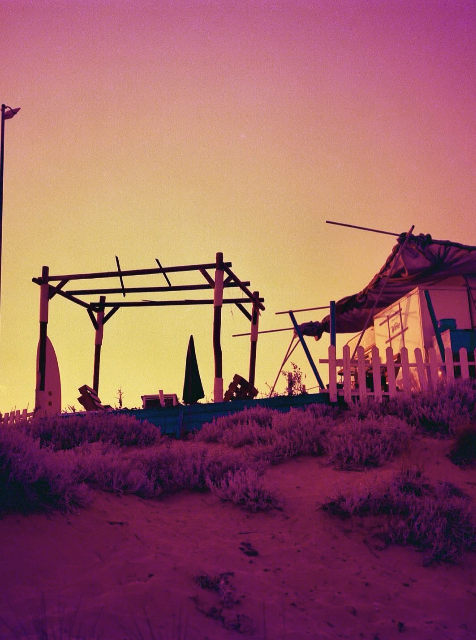
I will try and shoot some more Redscale when I’m in the US and see how I get on with that. I am pleased with my redscale images of the Dudley Zoo architecture as a result of the experimentation that was an important part of my degree course so far. We’ll see where we go from here I guess.
Be First to Comment